Independent Australian Market Analysis

Australian Gambling Market Analysis: Online Casino Law, Pokies and Player Protection

This portal examines how Australia regulates betting online: which interactive formats may lawfully be supplied to residents and which may not, how state licensing conditions work in practice, and what duties licensed operators carry over verification, payments and harm minimisation. The analysis is drawn from public material — Commonwealth legislation, state licensing frameworks, regulator enforcement records and published harm research.

  • Editorial analysis — not operator-owned
  • Scope: online casino law, licensed wagering and the IGA 2001
  • Written for Australian adults 18+ — no bets taken

CashCageAU publishes editorial analysis only, written for an adult Australian audience, strictly 18+. We accept no bets, hold no funds and offer no gambling or betting of any kind, and we have no ownership link to any licensed or offshore operator; wagering carries genuine financial risk, and losses are the ordinary outcome.

Market Background

The Australian Gambling Market: Structure, Oversight and Enforcement

Before judging any part of this market it is worth establishing who legislates, who licenses and who enforces. Authority over gambling in Australia is layered, and the layers do not overlap neatly.

Packed Australian racecourse grandstand on race day
Race day at a metropolitan track — the traditional centre of the licensed wagering market.

Australia did not arrive at its present market by design. Betting was long organised around physical places: on-course bookmakers, state totalisator monopolies that centralised racing turnover, and venue pokies licensed by the states in clubs and hotels. Corporate bookmakers later moved that activity online, licensed in one jurisdiction but taking accounts nationally, and the law was stretched to accommodate them rather than rebuilt. The gap that opened was offshore, where sites hosted elsewhere supplied prohibited interactive formats to residents on the reading that a foreign host was beyond reach. The 2017 amendments closed that argument, adding civil penalties and making the prohibition on supply enforceable against operators with no presence here.

Two tiers of government share the field, and that division explains most consumer confusion. The Commonwealth legislates on interactive services and fixes what may lawfully be supplied to a person physically in Australia; the states and territories issue wagering licences, set advertising codes and responsible-conduct requirements, and regulate machines in licensed venues. Domicile is where the distinction becomes practical. A business licensed here answers to a named state authority and to Commonwealth law, so there is a complaints pathway, a register it must screen against, and somewhere to escalate to when an account dispute stalls. An offshore site answers to nobody with reach into Australia. The formats that draw that offshore traffic — digital slots among them — are the ones Commonwealth law bars from supply to a person physically in Australia, and liability for that supply sits with the operator, not the account holder. ACMA can warn, pursue civil penalties and ask internet providers to block a domain, but blocked sites reappear under new names, and for an Aussie account holder the funds already deposited are not recoverable locally.

The layer beneath the brands is less visible than its influence warrants. Licensed operators commonly run on third-party platforms and shared odds feeds rather than technology of their own, which shortens time to market and inherits compliance plumbing already built to Australian requirements. The trade-off is convergence. When several licensees run comparable infrastructure and price from similar data, market trees and prices come to resemble one another, and what is left to distinguish them is interface, service quality and how far inducement advertising rules permit a licensee to promote a price — a narrower spread than the advertising implies. It is also the part least open to scrutiny: suppliers are seldom named in consumer-facing material, and operators publish little about who runs the engine behind an account.

Who regulates what in Australia

These are the public reference points this analysis works from.

Commonwealth legislation
Interactive Gambling Act 2001
Commonwealth enforcement
Australian Communications and Media Authority (ACMA)
Wagering licences
State and territory authorities, such as Liquor & Gaming NSW
Gaming machines in venues
State and territory liquor and licensing authorities
National self-exclusion
BetStop — betstop.gov.au
Minimum age
18 years
Online casino games
Prohibited supply to people in Australia
Online wagering funding
Credit cards, credit-related products and digital currency banned

Compiled from publicly available Commonwealth, state and territory regulatory sources. Rules and licence conditions change, so verify current requirements with the relevant regulator. CashCageAU is an independent analysis portal: it accepts no bets, holds no player funds and runs neither a sportsbook nor an online casino of its own.

Regulatory architecture

Authority is divided rather than shared. The Commonwealth sets the outer limit of what may be supplied online, and the IGA 2001 caps that at licensed wagering on sport and racing, with no real money interactive games permitted alongside it and lotteries and keno regulated separately. The licences themselves, and the conditions attached to them, come from state and territory authorities. Anti-money-laundering and counter-terrorism-financing law drives the identity checks every licensee applies, and all must screen accounts against the BetStop national self-exclusion register.

Technology and oversight

Platform quality is not a licensing condition: the IGA 2001 and state licences govern what may be supplied and how accounts are controlled, not how fast a page loads. Shared infrastructure also means a consumer comparing two licensees is largely comparing the same engine, so the comparison that matters is licence conditions and complaints pathways, not build quality. Streaming and data rights sit with rights holders rather than with licensing conditions, so what an account displays is not something the regulator guarantees — form guides and published results carry the rest.

Account controls

Licensing conditions, not design preference, dictate what an account must expose: a balance view, transaction history and a record of bets placed — the minimum needed to audit spending rather than estimate it. A responsible gambling area holds the deposit limits, break periods and deactivation controls that Australian conditions require. The weakness is procedural — how quickly a limit change takes effect is rarely published.

Market Mechanics

How Licensed Australian Wagering Platforms Are Built

A feature list says little on its own. What matters is which parts of a licensed Australian product are commercial choices and which are imposed by the licence itself — a division the marketing rarely makes clear.

Thoroughbreds rounding the turn at an Australian racecourse

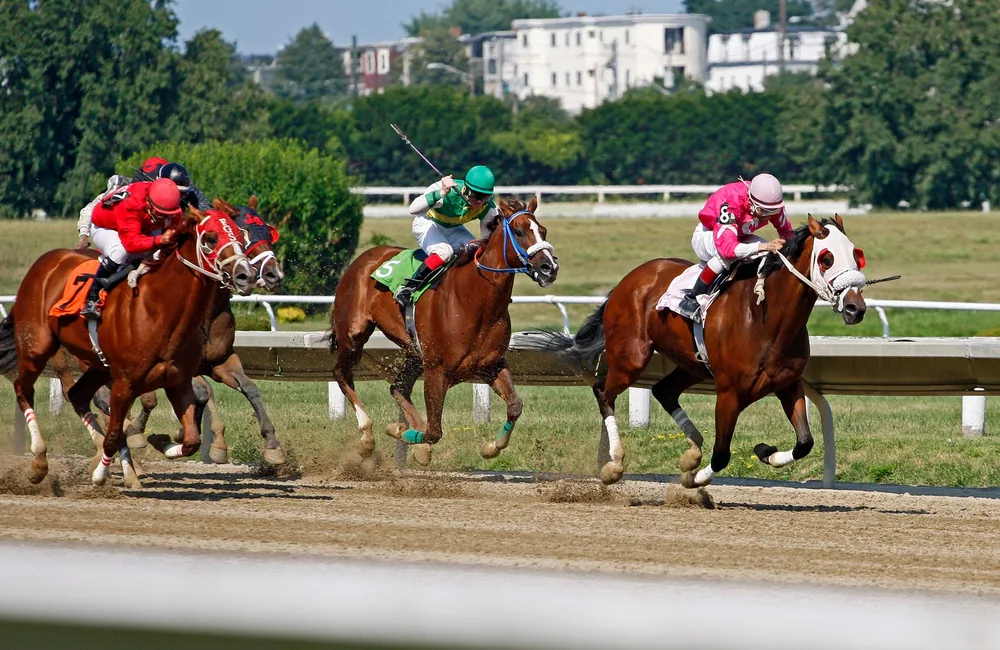
Racing markets and the three codes

Thoroughbred, harness and greyhound codes sit inside a single interface on most domestically licensed platforms, with metropolitan and provincial Australian meetings listed alongside selected overseas cards. Form guides, results and multi pricing are grouped with those markets because domestic racing is the vertical the state wagering licence was built around.

Depth of that kind is the baseline expectation of a domestically licensed book rather than a differentiator. Pricing on provincial fields is visibly thinner than on Saturday metropolitan cards, a structural effect of smaller pools. Live vision is generally absent from licensed products. A wagering licence also does not extend to casino content, which Commonwealth law keeps off the Australian market entirely.

Floodlit stadium at night during an Australian football fixture

The domestic sports book

Licensed Australian sports books reach across the domestic football codes and the main international circuits: AFL, NRL, rugby union, cricket, soccer, tennis, basketball, baseball, boxing, MMA, golf, gridiron, ice hockey and motor racing. Head-to-head, line, total and player markets appear on mainstream fixtures, while second-tier competitions are priced closer to event time.

Breadth of this sort has become standard across the market, so the meaningful test is how quickly prices settle after team news — the point at which risk management becomes visible. Esports coverage across the licensed market is patchy, and minor overseas leagues are listed selectively. Neither gap is a regulatory requirement; both are commercial judgements about where margin can be defended.

Football resting on stadium turf before kick-off

Multi products and how they are priced

Multi products combine several selections from one fixture into a single priced bet. Each additional leg compounds the operator margin, so the return sits below the product of the individual prices — a structure that matters because it sustains continuous staking on a single fixture.

That combination — a long advertised price against a low probability of success — is what makes the format a focus of the inducement advertising restrictions tightened through 2023–24. The probability of a winning outcome falls as the advertised price rises, which makes the format well suited to promotion and correspondingly unfavourable to the account holder. The margin itself is disclosed only indirectly, through the prices offered.

Hands holding a smartphone showing a sports results screen

Apps, app stores and distribution rules

Native iOS and Android builds are distributed through the App Store and Google Play, which places app-store distribution policy alongside the state wagering licence as a constraint on how the product may be offered. Store distribution policies for real money wagering applications generally turn on the publisher holding a licence in each jurisdiction of distribution, though the policies are set commercially rather than by Australian law.

Australian gambling advertising rules apply to the application itself, covering push notifications, in-app messaging and the taglines that must accompany promotion. Store distribution also slows release cycles, because every update waits on an external approval. Withdrawal of an application from a store is a commercial sanction that sits outside the licensing system altogether, and it can reach a product that remains perfectly lawful in Australia.

Greyhounds racing under lights on an Australian track

Promotions under Australian advertising law

The rules matter more here than the offers. Sign-up inducements may not be advertised to the general public in Australia, and inducement advertising was tightened further through 2023–24, narrowing how boosted prices and refund mechanics may be presented. Evidence-based harm taglines replaced the older “gamble responsibly” wording in the same period, as part of the same reform package.

Promotional terms sit behind every offer and change without notice, which is why no specific promotion is reproduced in any analysis published here. The more durable observation is that promotion is the most heavily regulated surface of the gambling market, and the surface consumers encounter first.

Empty racecourse rail at dusk after the last race

Safety tooling the licence requires

Deposit limits, take-a-break suspensions, account deactivation, BetStop screening and activity statements are present on licensed platforms because licensing conditions require them — in New South Wales through Liquor & Gaming NSW, and through equivalent bodies elsewhere. Their presence is a compliance floor rather than a courtesy, a distinction that matters when a platform presents them as evidence of care.

Activity statements are the most informative of the set, since they set out deposits, turnover and net result across a chosen period, and recall consistently understates losses once gambling has become routine. Session-time prompts are inconsistently published across the market. Whether any platform implements such a control beyond the minimum the condition allows cannot be established from public sources, since the operator-by-operator detail is not published centrally.

Verticals & Legal Status

Which Gambling Verticals Are Lawful in Australia — and Which Are Not

The decisive fact about an Australian gambling product is not how deep its markets run, but whether it may lawfully be supplied online at all.

That question is answered by Commonwealth statute rather than by any operator’s product decisions. The Interactive Gambling Act 2001 draws a line unrelated to quality or breadth: it prohibits supplying certain interactive services played for money to a person physically in Australia, while leaving licensed fixed-odds wagering on sport and racing on the lawful side. Lotteries and keno sit there as well, carved out of the prohibition and regulated apart from wagering, which is why draw-based products remain available online when other formats may not be supplied at all. Roulette, blackjack and baccarat sit on the other side of that line, and no state or territory wagering licence extends to them. The distinction most often misread is physical rather than legal: gaming machines in clubs and hotels are licensed by states and territories, with caps, cash limits and monitoring set jurisdiction by jurisdiction, while the same mechanics delivered to a screen for real money are prohibited outright.

Depth is the second question, and a list of codes does not answer it. Across the licensed Australian market those lists are close to identical, because the underlying data and pricing feeds come from a small number of providers and are resold widely. What actually separates one licensed book from another is narrower: how many markets each event carries, how early they open, how long they are held open, and how evenly that coverage is spread across a seven-day calendar rather than concentrated on Saturday metropolitan cards and prime-time fixtures. None of it is published centrally, so depth is claimed far more often than it is demonstrated — a disclosure gap rather than a breach, and one no regulator currently requires an operator to close. The table below maps each significant vertical against the statutory line, because that boundary, not the feature list, decides whether an Australian regulator stands behind an account.

Numbered starting barriers at an Australian racecourse before a race
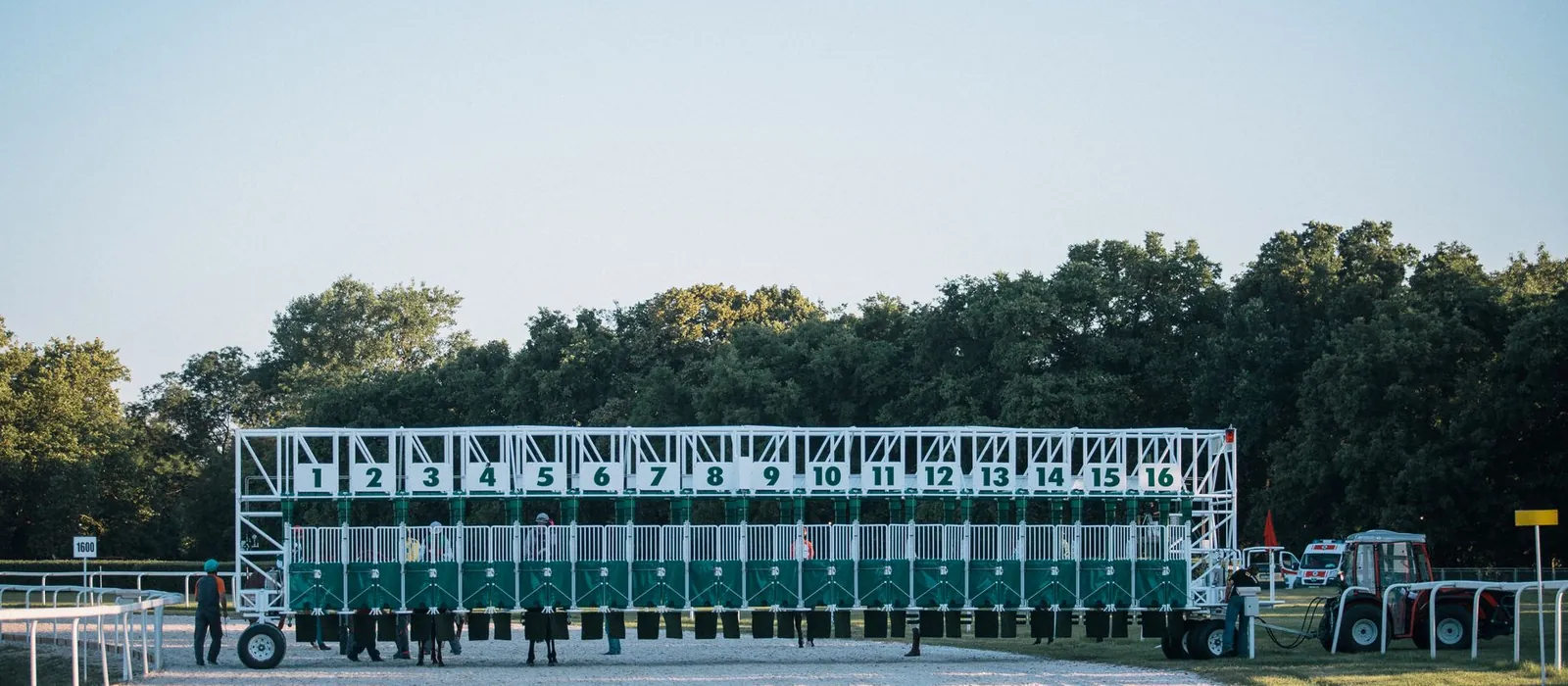
Every runner in a domestic field is a line that has to be priced and settled — but whether a vertical may be listed online at all, from racing to card games, is decided by Commonwealth law.
VerticalStatus in AustraliaAnalysis
Thoroughbred racing Lawful online, state or territory licensed The anchor of the domestic market, and the vertical where pricing is most considered.
Harness & greyhound racing Lawful online, state or territory licensed All three codes usually sit in one interface, so a full night of domestic racing stays on a single screen.
AFL, NRL and the football codes Lawful online, pre-match only The deepest market trees in the domestic calendar, and the codes the advertising rules were written around.
Cricket, soccer, tennis, basketball Lawful online, pre-match only Solid on marquee fixtures, and noticeably thinner on lower tiers and minor tours.
Combat sports, golf, motorsport, US sports Lawful online, pre-match only Present but event-driven: depth arrives with the fixture and leaves with it.
Esports Lawful where licensed Not a prohibition but a commercial judgement; how widely it is listed is not published centrally.
Online casino, pokies & live dealer tables Prohibited The legal core of this analysis. Casino games — digital slots and streamed table games dealt on camera — cannot lawfully be supplied to people physically in Australia. Liability rests with the supplier rather than the individual, but the practical consequence falls on the consumer: any site marketing these formats here is operating outside the law, with no local regulator behind the account and no dispute path if a withdrawal is refused.
Compiled from Commonwealth, state and territory regulatory sources. The legal position can change, so verify it with the relevant regulator.

Bet types in the licensed market

Singles & each-way

The baseline instrument: one selection at a fixed price, settled only when the event is final, with each-way splitting a stake between the win and the place. Because nothing resolves until the result stands, it sits furthest from the rapid, continuous staking that harm research associates with escalating loss — which is why it occupies the quiet end of harm-minimisation policy, where the attention goes to products that keep a stake in continuous motion.

Same Game Multi

Several selections from a single fixture — head-to-head, line, total, a player market — combined into one priced bet. Correlation between the legs is absorbed in that price, and that adjustment is not disclosed as a margin, which is why combined-bet pricing transparency remains an open question for consumer regulators.

Same Race Multi

The same arithmetic inside one race: two or three runners nominated to finish within stated placings and costed as a single wager. A distinctively Australian racing format, and one whose multi-leg structure places it squarely inside the continuity-of-staking concerns that drive wagering harm research.

Multis & futures

Traditional multis chain selections across separate events, so each added leg lifts the advertised price while compounding the chance that one result settles the ticket. Futures cover season-long questions and commit a stake for months — a cost rarely stated in the price.

In-play — telephone only

Live sports bets cannot be completed online in Australia. The IGA 2001 permits in-play wagering only by telephone or in a retail venue, so a bet struck after play has started must be placed by voice — the clearest instance of the law treating speed of staking as the risk.

Promotional pricing under advertising rules

Price boosts, odds protection and refund mechanics exist across the licensed market, but they are objects of regulation rather than features of it. Sign-up inducements may not be advertised publicly, and inducement advertising was tightened further through 2023–24.

Market & Game Analysis

Online Casino Games & Wagering Verticals Explained

Readers routinely ask why a licensed Australian wagering account does not also open the door to the formats sold abroad in less restrictive jurisdictions. The answer sits in Commonwealth statute rather than in commercial preference, and what follows explains the legislative reasoning behind it.

An analysis of the Australian gambling market cannot avoid the casino verticals, because that is where the largest share of reader questions begins. People arrive having assumed that one account covers every format a single brand sells overseas, and the assumption is entirely understandable: marketing in other jurisdictions presents wagering and spin-based products as two doors into the same building. Here they sit on opposite sides of a Commonwealth line. The Interactive Gambling Act 2001 prohibits the online supply of those formats to a person physically located in Australia, while fixed-odds betting on sport and racing is licensed by the states and territories, advertised under their codes and entirely lawful. Every comparison set out below follows from that single legislative split rather than from any operator’s product decisions.

Everything that follows is educational analysis of how such products operate and why the legislature treats them as it does. It is not an offer, not a recommendation and not a directory of places to play: no operator is named anywhere on this page, no destination is linked, and nothing described here is reachable through this portal. The arithmetic is analysed because readers who understand house edge, volatility and session variance make better sense of why the regulatory treatment differs so sharply between verticals — why one is licensed, taxed and advertised while the other is blocked at the domain level. Where the discussion touches licensed land-based venues or foreign markets, that detail exists to explain the law and the harm research behind it, not to point anyone towards a product.

Reels and paylines lit up on an online pokies slot machine screen

01 Prohibited supply, continuous play and the venue split

Electronic slots, slot machines and pokies mechanics — and why online supply is prohibited

A digital spin resolves through a random number generator that fixes the outcome the instant a round is requested; the reels are animation laid over a decision already taken. Two figures describe the maths behind any such title. Return to player is a long-run average measured across millions of simulated rounds, not a promise about a session, and volatility describes how unevenly those returns arrive. The regulatory interest, however, lies elsewhere. A round settles in seconds, the next begins the moment the last one clears, and nothing in the format imposes the natural break that a race card or a fixture list imposes on wagering. Continuous staking of that kind is the pattern consumer-protection policy treats as carrying the highest risk of escalating losses, because each loss is immediately available to be chased. That is why residents here cannot lawfully be supplied these products for real money: the Act classifies them as prohibited interactive gaming services, and liability for the supply rests with the provider rather than with the person placing the stake. Machines in licensed clubs and hotels — the pokies of the physical venue — are a separate question entirely, licensed by states and territories with caps, cash limits and monitoring set jurisdiction by jurisdiction. That split between the online prohibition and the venue framework is, plainly, the most misunderstood point in Australian gambling law.

Roulette wheel and ball at rest on a dark table

02 A published edge, applied without a pause

Roulette, the zero and the published house edge

The wheel is the clearest teaching example available, because its margin is printed into the layout rather than buried in a software certificate. The European design carries thirty-seven pockets — one to thirty-six plus a single zero — which leaves the house 2.70 per cent of turnover on almost every bet available. The American design adds a second zero, raising the pocket count to thirty-eight while the payouts stay exactly where they were, so the edge doubles to 5.26 per cent. Two published figures, one structural difference, and no selection a participant can make alters either. For a regulator the significant feature is not the percentage but the tempo at which it is applied. A spin settles in under a minute, each result is independent of every result before it, and the format admits no information anyone could act on, so the only remaining variables are how much and how often. Consumer-protection thinking treats that combination — a fixed mathematical disadvantage applied without interruption and without any input capable of reducing it — as materially different from a priced market on a sporting event, and the Commonwealth prohibition on online supply follows that distinction rather than the arithmetic itself.

Playing cards and chips dealt out on dark felt for card games

03 Low margin, high turnover, no local recourse

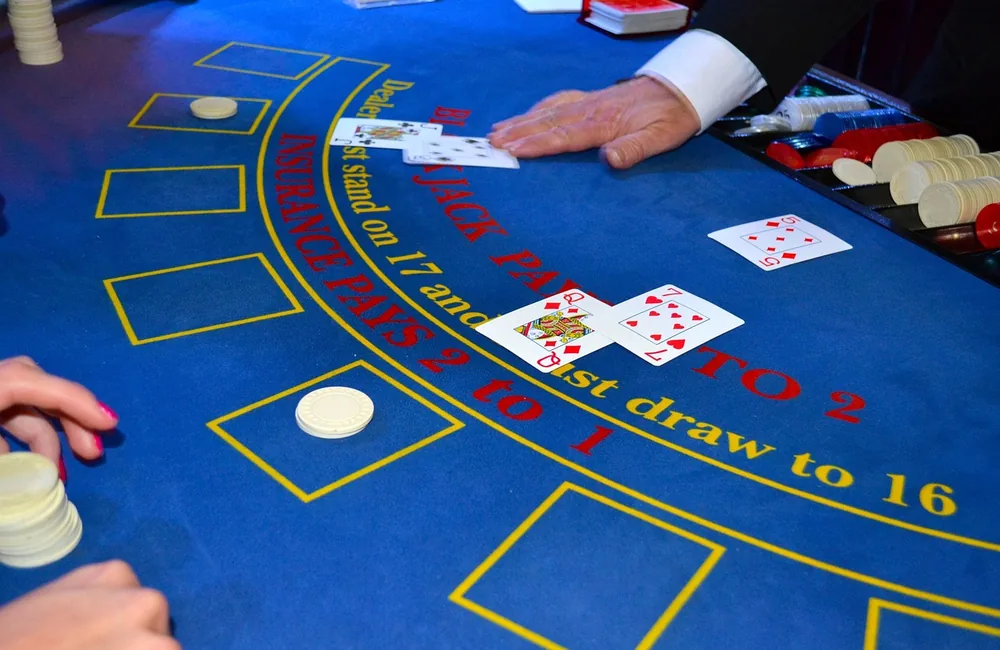
Card games: blackjack, baccarat and the limits of player decisions

These formats sit at the low-margin end of the prohibited catalogue, which is precisely what makes them worth explaining. Participant decisions have some effect at a blackjack table, but the published rules of the table — not the participant — determine the margin. Those rules are set by the supplier, and where the supplier sits outside the licensed market no Australian authority audits them, so the account holder has no way to establish that the published version is the one being applied. Baccarat removes decisions almost entirely — third-card draws follow a fixed tableau, and the provider recovers its advantage through a commission on winning banker wagers — so the result is settled by procedure the participant cannot influence. A low theoretical margin is routinely misread as low exposure, and that misreading is the consumer-protection problem. Hands resolve in well under a minute, so turnover accumulates at a rate no sporting market approaches, and a small percentage applied to a very large turnover is not a small number. The regulatory position does not turn on the edge at all. Online supply to a person in Australia is prohibited however favourable the published figures appear, and anyone dealing with an offshore site has no local regulator to complain to, no dispute path, no BetStop coverage and no assurance that a withdrawal will be honoured.

Dealer’s hands dealing cards at a live dealer studio table

04 A carriage service, not retail play

Table games, live dealer studios and where the law lands

Live dealer products are broadcast operations before they are anything else. A studio seats a croupier at a physical wheel or shoe, trains several cameras on the action and streams the feed to participants who stake through an overlay; optical recognition reads the tangible result — the pocket, the card rank — and settles the wagers automatically, which is how a single studio serves thousands of simultaneous viewers. Production values are the whole point of the format, and they are also the source of the most common misunderstanding about its legal standing. A human dealing from a studio overseas does not turn the product into retail play. The bet is still accepted over an internet carriage service, which is the test the Commonwealth legislation applies, so it remains a prohibited interactive casino game however closely the staging resembles a licensed room. Practical consequences follow for anyone who reads realism as reassurance. A staking window closes on studio time rather than on the viewer’s connection, and a feed that drops mid-round leaves the dispute to the supplier’s own logs, with no Australian regulator standing behind that record. Offshore sites marketing these streams to residents here are the usual subjects of ACMA domain-blocking requests, and blocked domains frequently reappear under new addresses, which is a recognised limitation of domain blocking as an enforcement tool.

Tall stacks of casino chips on felt beside a betting layout

05 Free builds, coin economies and loss chasing

Real money stakes against play-for-fun gaming

A demonstration build and a paid version are not one product wearing two labels. A free build can carry its own weightings, a seeded balance and a feature frequency bearing no fixed relationship to the version played for stakes, and even where the maths is identical, anyone staking a notional balance experiences variance without consequence. Extended free play therefore teaches the wrong lesson: an early run of wins is remembered as aptitude, while an early run of losses is dismissed as rehearsal. Social casino apps complicate the picture further. They sell packs of coins that cannot be cashed out, which keeps them outside wagering legislation across most of the country while reproducing the pacing, sound design and near-miss feedback of the paid article almost exactly. Nothing in that arrangement carries the protections attached to a licensed wagering account — mandatory identity verification, deposit limits offered at registration, screening against the BetStop register — because none of those statutory obligations are engaged by a product that pays nothing out. The documented hazard is the transition. Someone conditioned by weeks inside a coin economy opens a stake-based account with expectations calibrated to a game that could never take anything from them, and that mismatch is a recognised pathway into loss chasing, where each attempt to recover a deficit enlarges it. In this market, the paid versions those apps imitate cannot lawfully be supplied at all.

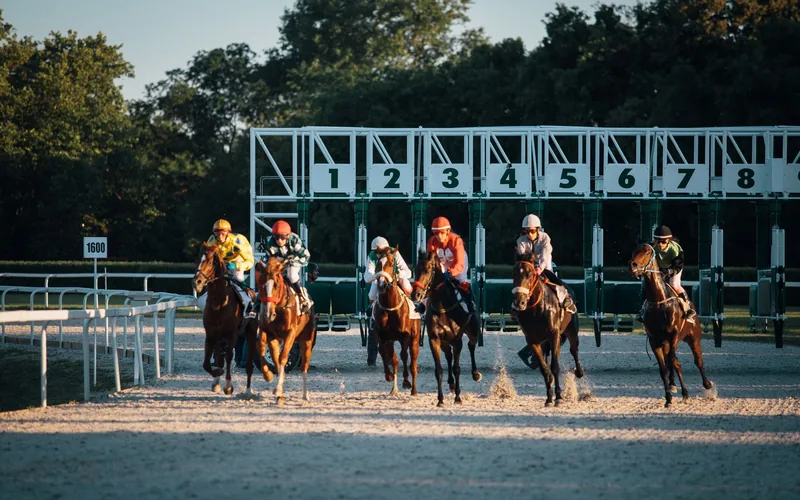
Thoroughbreds at the finish line of an Australian race meeting

06 Event duration, bet frequency and the statutory line

Fixed-odds wagering compared with the casino model

Setting the two verticals beside one another explains the statutory split better than any summary of the Act. A fixed-odds market resolves on a real event with a published field, a form history and a price the account holder may accept or decline; there are minutes between races and days between weekend fixtures. Information has genuine purchase in that setting, even if participants routinely overestimate how much of it they hold. Spin-based products invert all three variables: the event is generated on demand, settles in seconds, admits no analysis capable of shifting it, and the next round begins the instant the last one clears. Bet frequency is the consequential difference, and it is the boundary Commonwealth policy was drawn around in the first place. An account on the licensed side might record a dozen stakes across an afternoon where an uninterrupted session on reels or a wheel records hundreds, each loss immediately available to be chased. The same reasoning explains why in-play sports bets cannot be completed online and must be placed by telephone or in a venue — the tap-to-repeat rhythm is stripped out deliberately. Every licensed Australian operator works under that identical statutory constraint, which is why the absence right across the licensed market is a matter of law rather than a gap in any particular catalogue.

Nothing on this page constitutes an offer. The analysis above exists to explain how these verticals operate and why Australian law treats them so differently. No part of cashcageau.com provides access to any of the formats described above.

Mobile Engineering

Mobile Gambling Apps in Australia: Engineering and Legal Limits

Most wagering now happens on a phone, which makes the app the regulated surface. What it may contain is set as much by statute and platform policy as by design, and none of it reaches the pokies licensed in clubs and hotels under separate state and territory law — the split most often misread in Australia.

Person holding a smartphone at the track rail on race day
A handset at the track rail — the surface on which most Australian wagering now takes place.

Licensed Australian operators distribute native builds through the App Store and Google Play rather than wrapping a website in a thin shell, and that choice carries obligations as well as performance gains. Native code reaches the operating system’s own scrolling, gesture and notification layers, so market lists behave like the rest of the handset. It also places the product inside two further approval regimes: platform policy, which requires age-restricted store listings and geo-gating to the jurisdictions where a licence is valid, and the Australian advertising rules that govern how such apps may be promoted and what inducements may appear inside them. The trade-off is a slower release cycle than a web front end allows, because every change queues behind store approval.

The screen that commits a stake is where consumer protection on a phone is decided: before money leaves an account the display has to state the amount, the selection and the price unambiguously, and a mis-tap has to be correctable. State and territory codes of practice, which carry the consumer-protection conditions attached to a wagering licence, have moved towards treating that clarity as an obligation rather than a matter of presentation. Connectivity is the context that obligation is tested in rather than a measure of a good product: data arrives over congested course wi-fi, and a plan with a hard cap is quickly exhausted by an interface that streams decoration, so the confirmation prompt can be slowest at the moment it matters most.

Two absences are legal rather than technical. In-play betting cannot be completed in an app at all: the Interactive Gambling Act 2001 requires a live sports bet to be placed by telephone or in a venue, so every licensed Australian app stops at pre-match markets, a Commonwealth rule no operator can engineer around. Nor does any licensed Australian app carry a casino tab, because real money online casino games cannot lawfully be supplied to people in this country, and liability for supplying them sits with the operator rather than the resident who downloads the app. Neither gap is a design decision, and both bind the licensed market uniformly, which is why Australian online gambling rules shape these screens more than product roadmaps do.

Placement and confirmation

Placement is the moment money leaves an account, which makes it the most consequential screen in the app for a consumer. A licensed product is expected to show the stake, the selection and the projected return together before submission, and to report acceptance, rejection or a price change explicitly rather than leaving a spinner turning. Where several legs are combined, each has to be removable without ambiguity. Pending and settled wagers then pass into an account history the holder can retrieve, which is what makes a later dispute arguable.

Authentication and AML duties

Device-level authentication — a passcode, fingerprint or face check — protects a funded balance on hardware that is easily lost, and dormant sessions are typically signed out rather than left open. Withdrawals route only to payment details already verified on the account. Identity and transaction monitoring under AML/CTF law then continues for the life of the relationship, not only at sign-up, which is why a request for documents can interrupt a payment months later. These are statutory duties, not courtesies.

Listings, results and records

Listings update through the day with scratchings, jump times and confirmed fields, and results and settlement notes publish without a manual refresh. Live vision is a separate matter: streaming rights sit with broadcasters, so results and settlement records are the only account of a race a licensed app itself supplies. That record is the more consequential function. A licensed account is expected to expose the holder’s own history — wagers placed, deposits made, withdrawals requested — alongside any periodic activity statement the operator issues. Those records are the evidence base for a complaint to a state regulator, and the plainest available answer to a question memory answers badly.

Accounts & Money

Opening an Account, Verification and Getting Paid

Most disputes about an Australian wagering account have nothing to do with prices. They begin at sign-up, during identity checks, or at the moment a withdrawal is requested.

Debit card and smartphone on a desk during an Australian wagering account verification check
Debit cards, bank transfer and PayID carry most deposits, because credit products are banned outright.

Complaints about Australian online gambling accounts follow a recognisable pattern. The grievance is rarely the price of a market. It is a document rejected without an explanation, a name that did not match the record held by an identity database, or a payment that sat untouched across a weekend. Verification and withdrawal timing generate far more frustration than odds do, partly because neither sits wholly inside an operator’s control: banks clear transfers on their own schedules, identity databases return a match or a failure on data the applicant never sees, and compliance teams answer to obligations that outrank customer service. Across the licensed market the account experience is shaped as much by statute as by product design.

Three legal layers create that friction. AML/CTF obligations require an operator to establish who holds an account before real money moves through it. Mandatory BetStop screening obliges every licensed operator to check applicants, and existing customers, against the national self-exclusion register. And the 2023–24 reforms removed credit cards, credit-related products and digital currency from online wagering altogether. None of it is discretionary and none of it can be waived for a persuasive customer, which is worth knowing before a refusal is read as obstruction. Processing windows and staffed support hours, by contrast, are not published consistently across the market — some operators state them, many do not — so the analysis below sets out the mechanics of each stage rather than quoting speeds that cannot be sourced.

Registration

Opening an account begins with the same identity set across the licensed market: full name, date of birth, residential address and a declaration that the applicant is 18 or over. Licence conditions also require operators to offer limit setting at the point of registration, so a deposit limit can be nominated before the first dollar arrives rather than after a bad week. That ordering is the most useful consumer protection attached to a gambling account, because a figure chosen while calm is a different figure from one chosen mid-session, and it holds until the account holder actively changes it.

Identity verification (KYC)

Verification runs electronically first, matching the name, address and date of birth supplied against reference databases. Where that check clears, the account becomes usable without paperwork. Where it fails — a recent move, a hyphenated surname, an address recorded differently on the electoral roll — a driver licence or passport is requested instead. The reason is worth stating plainly, because it is routinely misread as a stalling tactic: identity verification on an Australian wagering account is a legal obligation under AML/CTF law, and no licensed operator may skip it, shorten it or make an exception for a valued customer.

Deposits

Funding options are narrower in Australia than in many overseas markets, and deliberately so. Credit cards, credit-related products and digital currency are banned as funding for online wagering, which leaves debit cards, bank transfer and PayID as the realistic choices. The prohibition reflects a policy judgement that credit should not fund online wagering, and it binds the whole licensed market rather than any one brand. Whatever limit was nominated at registration applies before a deposit is accepted, which is the practical argument for setting one at the outset instead of leaving it until later.

Withdrawals

Payouts return only to a verified instrument held in the account holder’s own name. That rule is not negotiable, and third-party accounts, an account in a partner’s name, or a spelling that differs from the verified record are the usual reasons a withdrawal stalls. Timing then depends on two things an operator only partly governs: whether identity checks are fully complete, and how quickly the receiving bank settles the transfer. Because processing windows are not published consistently, any figure circulating in a forum is hearsay. Withdrawals stall least often where identity checks were completed before the first real money payout was requested and a single consistent bank account was used throughout.

Support and complaints

Written records decide outcomes. Ticket references, the dates documents were sent and copies of what was submitted turn a disagreement into something a third party can assess, while a complaint raised months later without them rarely travels far. Where an operator’s own process is exhausted, the escalation path is the state or territory authority that issued the licence — for a New South Wales licence, Liquor & Gaming NSW — rather than the Commonwealth. One point needs stating plainly. CashCageAU is an independent analysis portal with no access to anyone’s account, balance or verification file, and cannot chase a payment or lift a limit on a reader’s behalf. Editorial contact only: [email protected].

Closing an account

Deactivation sits in the account settings of a licensed product and can also be requested in writing, closing access and ending marketing contact. It is not the same as self-exclusion, and the distinction matters: a deactivated account can generally be reopened on request, whereas self-exclusion is built to be difficult to undo. BetStop is the national register behind the second option, covering every licensed Australian operator at once rather than one brand at a time, with terms running from three months to lifetime and no cost to join. Where an account is closed because the spending has stopped feeling optional, the register is the more durable of the two.

Processing times and staffed support hours are not published consistently across the licensed Australian market, so this analysis describes process rather than speed and quotes no figures it cannot source. Anyone opening an account should read the current terms, fee schedule and payment conditions published by the operator concerned, together with the guidance issued by the state or territory regulator that licenses it.

Australian Regulatory Framework

Online Gambling Law in Australia (IGA 2001)

Australian law draws a hard line between wagering and interactive play, then enforces the two halves through different tiers of government. This section sets out what the Commonwealth statute of 2001 forbids, what it still permits, and how a framework split between federal prohibition and state licensing is policed in practice.

Stewards tower above an Australian racecourse
Stewards enforce the rules on track; the IGA 2001 and the ACMA set the boundaries online.

The Interactive Gambling Act 2001 is Commonwealth legislation, so it applies uniformly across every state and territory. Its central prohibition is a supply-side one: it is an offence to provide a real money interactive gambling service to a person physically present in Australia. Liability attaches to the operator rather than to the customer, and the place of incorporation is irrelevant — if the account holder is standing in Melbourne or Mount Isa, the prohibition bites. Amendments passed in 2017 closed the loophole that offshore brands had relied on, adding civil penalties and giving the regulator practical reach. Nothing in the Act makes it an offence for an individual to place a bet, a distinction consumers are seldom told about clearly.

What the legislation classes as a prohibited interactive service is quite specific. Online pokies and slot machines sit squarely inside the definition, as do online roulette, digital blackjack, baccarat and the streamed live dealer tables promoted by offshore studios. Instant-win products and the wider family of online casino games fall under the same heading, because the defining feature is a game of chance, or of mixed chance and skill, played for stakes through a carrier service. Lotteries, keno and wagering are carved out and handled under separate rules. The practical result is that no operator, Australian or foreign, may lawfully supply online card games or table games for money to residents here.

Permitted activity is narrower than many new account holders assume. Licensed fixed-odds betting on sport and racing remains lawful where the operator holds a licence from an Australian state or territory authority, such as Liquor & Gaming NSW; every jurisdiction maintains an equivalent body, and the licence rather than the website is what makes the activity lawful. Pre-match markets on the major football codes, cricket, the mainstream international sports and the three racing codes may be priced, taken and settled online. In-play betting is the exception that surprises people, because a live sports bet cannot be completed through a site or an app and has to be placed by telephone or in a venue.

Enforcement falls to the Australian Communications and Media Authority. The ACMA investigates complaints about offshore sites, issues formal warnings, refers operators for civil penalty proceedings and asks internet service providers to block domains that keep supplying prohibited services into this country. Its published blocklist has grown steadily since the arrangement began, and blocked brands routinely resurface under fresh domains, which is the clearest measure of how much the blocking mechanism can realistically achieve. For an Australian consumer, the consequence of using one of those unlicensed casinos is a total absence of local protection: no Australian dispute path, no state regulator to escalate to, no BetStop coverage, and no assurance that a withdrawal request will ever be honoured.

A reform wave through 2023 and 2024 reshaped the compliance picture considerably. BetStop, the national self-exclusion register, went live in August 2023 and allows a person to bar themselves from every licensed Australian wagering operator at once, for a term running from three months to life. Credit cards, credit-related products and digital currency were then banned as funding methods for online wagering, closing the gap between betting accounts and the land-based venues where credit had long been off limits. Evidence-based harm taglines replaced the old “gamble responsibly” wording, while inducement advertising rules were tightened so that sign-up offers can no longer be pushed at the general public.

Responsibility for all of this is split two ways. The Commonwealth legislates on interactive services through the IGA and the ACMA polices them, while licensing, advertising codes, harm-minimisation conditions and land-based gaming machines remain matters for the states and territories. Because wagering licences are issued by state and territory authorities, the conditions governing how a book is run, how complaints are handled and which account controls must be offered depend on the issuing jurisdiction rather than on any single national standard. A resident of Queensland or Western Australia holding an account with a licensee based interstate is additionally covered by their own jurisdiction’s code of practice, so identical products can carry materially different protections according to where the customer lives. Anyone needing certainty about their own position should consult the legislation or the relevant regulator; CashCageAU publishes information and analysis, not legal advice.

That conclusion follows from the statute rather than from any commercial decision: no licensed Australian operator may run a real money online casino for residents, and lawful domestic online gambling is confined to regulated sports and racing wagering, with lotteries and keno handled under separate rules.

Regulated wagering

Fixed-odds betting on sport and racing is the lawful side of the ledger. A licensee may price and settle pre-match markets online, accept multis and futures and publish results, provided it holds a current state or territory licence and satisfies its advertising, AML/CTF and player-protection conditions. That permission also marks the outer boundary of the domestic market: thoroughbred, harness and greyhound racing alongside a mainstream sports book, and nothing beyond the terms of the wagering licence itself.

In-play restrictions

Live betting is the strangest wrinkle in Australian wagering law. Once an event is under way the wager cannot be finalised through a site or an app, so the customer must telephone the licensee and complete the transaction by voice. Domestic operators consequently route in-play business through a telephone line instead of completing it on screen. The friction is real, and the policy reasoning behind it — slowing a format associated with rapid, repeated staking — is rarely explained to the public.

Prohibited interactive casino

The formats set out above may not be supplied to people in Australia for money, and no state or territory authority has power to license them for online play. Sites offering those casino games to Australians are operating illegally, whatever overseas paperwork they display. Establishing which category a site occupies is the single most useful check a consumer can make before parting with any money. Because the prohibition binds the supplier rather than the customer, a resident who loses a balance to one of those sites has no local remedy to pursue.

Objective Evaluation

The Australian Model Appraised: Strengths and Shortcomings

This appraisal weighs the Australian regulatory framework rather than any product: what the model achieves for consumers, set against the costs it imposes and the gaps it leaves open. The strengths and the shortcomings follow from the same design decision.

Key strengths

  • Domestic accountability and a real dispute path. A locally licensed operator answers to a state or territory regulator, so a complaint about account conduct, advertising or settlement has somewhere to go. An offshore site has no such reach into Australia, and a consumer dealing with one has no domestic authority to approach at all.
  • National self-exclusion that actually works. BetStop, live since August 2023, covers every licensed operator at once rather than brand by brand, for a term of three months to lifetime and at no cost. Operators must screen against the register, which moves the burden of enforcement off the individual.
  • Credit and digital currency closed off. The 2023–24 funding ban removed credit cards, credit-related products and digital currency from online wagering accounts, cutting off the debt-funded losses that compound twice over. It also aligned online accounts with the cash rules that have long applied in land-based venues.
  • Limit setting at the point of registration. Licensing conditions require a deposit limit to be offered before the first deposit is made. That is the one moment in an account’s life when a figure can be chosen calmly, rather than after a losing run has already reframed what feels reasonable.
  • Domestic supervision of pricing and settlement. Fixed-odds wagering on sport and racing is priced and settled under local supervision, inside the same jurisdiction that issued the licence and can be asked to examine a disputed result. The conditions attached to that licence are published rather than left to operator discretion. An offshore site settles to its own house rules, with no Australian authority to ask.
  • Advertising and messaging constrained. Inducement advertising is restricted, and the evidence-based harm taglines introduced by the 2023–24 reforms replaced the older “gamble responsibly” slogan. The obligation to carry that messaging falls on the operator rather than the audience, and the inducement restrictions limit what may be promoted to open a new account.

Considerations & limitations

  • Prohibition has not removed the demand. Banning the supply of real money online casino games removed the lawful supply but not the demand, and consumers who go looking find unlicensed sites instead — with no local recourse, no BetStop coverage and no assurance that a withdrawal will be paid.
  • The in-play telephone rule is a poor fit. Commonwealth law blocks the online completion of a live bet while leaving the same bet available by voice, so the rule adds friction to the format without removing the behaviour it was written to limit.
  • Verification friction is a recurring source of consumer complaint. Identity checks are mandatory under AML/CTF law and are not negotiable, but electronic matching fails often enough that a share of account holders are asked for documents before a first withdrawal clears. How often that happens is not published centrally.
  • Venue gaming machines sit outside the Commonwealth frame. The machines in clubs and hotels are licensed state by state and untouched by the IGA, so the online prohibition does not reach them at all; those remain a state and territory matter, with caps, cash limits and monitoring set jurisdiction by jurisdiction. That split between venue and online supply is the least understood feature of the two-tier structure.
  • State-by-state fragmentation. Licence conditions, advertising codes and responsible gambling requirements differ by jurisdiction, so the protection a consumer actually receives depends on where the licence was issued rather than on where that consumer happens to live.
  • The reforms addressed advertising content, not its quantity. The 2023–24 reforms restricted inducement advertising and changed the mandatory messaging, but they did not change the volume of advertising permitted around broadcast sport, which is why the framework remains under continuing political scrutiny.

The framework serves one group well: consumers who stay inside the licensed market and use the controls the law obliges operators to provide. For them the protections are real and largely automatic — a verified account in their own name, funds that must return to an instrument held in that name, a deposit limit offered before the first transaction, a national register that can close every licensed account at once, and a regulator in their own jurisdiction that can be approached when something goes wrong. Taken together, those obligations sit on the operator rather than on the consumer.

It leaves two groups exposed. The first is those who go looking for the online casino formats the Interactive Gambling Act 2001 prohibits — digital pokies and slots, roulette, live dealer tables played for stakes — because prohibition stopped the lawful supply without stopping the search, and what the search turns up sits beyond every protection described above. The second group is those harmed by venue pokies, which the online framework simply does not reach: the machines in clubs and hotels remain a state matter, and no amount of tightening at the Commonwealth level touches them. Both gaps are structural rather than accidental, and both are better understood as unfinished policy than as settled regulatory design.

Player Safety

Safe & Responsible Gambling: Warnings, Limits and Help

Harm minimisation is the part of this analysis that stays relevant longest, because it outlives any change of market or platform. Below are the warnings worth reading before a first bet, the limit tools every licensed Australian operator is required to provide, and the free helplines that sit entirely outside the industry.

Emptying Australian racecourse at sunset after the last race
The end of a race day — the point at which a session is supposed to stop.

Treat a wager as an occasional entertainment expense and the arithmetic stays manageable. A stake belongs in the same budget line as a concert ticket or a night out, and the money is gone the instant it is placed. Difficulty begins when the activity is reframed as income, as an investment, or as a route back to money already lost. None of those three framings survives contact with the numbers. Someone who stakes to cover a bill is in a materially weaker position than someone who stakes for the interest of the contest, because the first has a figure to reach and will keep going until it is reached or the account is empty. That pattern, rather than any single bad afternoon, is the signal worth acting on.

House edge is structural rather than a stretch of bad luck. Fixed-odds markets are priced with a margin inside them, and the same principle governs every casino vertical: interactive formats are built on a programmed return that sits below total turnover. Across enough bets that margin, not the result of any individual race, determines where a balance ends up — which is why disclosure of that margin is a consumer-protection question rather than a marketing one. Advertising codes in Australia now require evidence-based harm taglines in place of the older reassurance wording, on the reasoning that a consumer who understands the margin is better placed to set a limit than one simply told to take care. Our own position should be equally plain. CashCageAU takes no commission from any operator, publishes no sign-up links and earns nothing from any account a reader may open, so there is no commercial reason for us to soften a word of what follows.

Warnings worth reading first

  • The margin never switches off. Every market is priced so that a share of turnover stays with the operator over time. Winning sessions certainly happen, but they are variance inside a system with a fixed long-run direction. Budget against the system rather than against an unusually good run, and treat a winning run as a loan the margin will eventually call in.
  • Chasing a loss enlarges it. An urge to win back a deficit pushes stakes up and judgement down, which is the reverse of how a disciplined account holder behaves. Where a session has gone badly, the useful response is closing the app and letting an existing deposit limit do the work tomorrow.
  • Borrowed money has no place here. Credit cards, credit-related products and digital currency were banned as funding methods for online wagering in Australia for precisely this reason, because debt-funded losses compound twice over. If a stake has to come from a loan, an overdraft or a mate, that is the signal to stop rather than a problem to solve.
  • Unlicensed offshore casinos protect nobody. Any site taking real money from Aussie residents for online pokies or roulette is operating outside the Interactive Gambling Act 2001. That leaves no local regulator to complain to, no dispute path when a balance disappears and no guarantee a withdrawal will ever be paid.

Limits and control tools

ToolWhat it doesHow to use it
Deposit limit Caps how much can be transferred into the account per day, week or month, regardless of how much sits in a linked bank account. Set one during registration at a figure you could lose in full without consequence. Reductions apply immediately; increases take effect only after a cooling-off period.
Loss or spend limit Caps net losses or total turnover over a defined period instead of deposits alone. Worth setting once winnings are being recycled, because a balance that never leaves the account can conceal a great deal of real money churn.
Time and session limits Restricts how long an account can stay logged in during a day or a week, and prompts you once the clock expires. Pair it with reality-check reminders. A visible timer interrupts the long stretch of gaming in which decisions quietly get careless.
Take a break Suspends the account temporarily, from twenty-four hours up to several months. Apply it the moment an urge to chase appears, before the next deposit rather than after reviewing the damage. A break also removes promotional notifications for its duration.
Account deactivation Closes the wagering account and ends marketing contact from the operator. Request closure through account settings or by writing to operator support, then keep the written confirmation that it has been actioned.
BetStop National self-exclusion from every licensed Australian wagering operator at once, for a term of three months up to lifetime. Register free at betstop.gov.au. A registration cannot be lifted before the chosen term ends, which is the point of it.
Activity statements Set out deposits, withdrawals, turnover and net result for the period. Read one every month. Memory reliably understates losses, so the statement is the only honest record of what a year of betting has cost.
Control tools licensed operators are required to make available; naming and placement vary slightly between licensed brands.

Free, confidential help

ServiceContact
Gambling Help — national helpline 1800 858 858 — 24/7, free and confidential
Gambling Help Online — chat and email counselling gamblinghelponline.org.au
BetStop — national self-exclusion register betstop.gov.au
Lifeline — crisis support 13 11 14
National Debt Helpline — free financial counselling 1800 007 007
Independent services with no connection to any bookmaker, casino operator or this portal.

None of the services above costs anything, none of them is recorded against your name with an operator, and no caller has to promise to stop before ringing. Partners, parents and friends affected by someone else’s betting can use exactly the same lines, and financial counselling is available separately from counselling about the habit itself. Wagering in Australia is restricted to adults aged 18 and over.

Frequently Asked Questions

Online Casino Law & Australian Regulation

Nine questions readers ask most often: what is lawful online in Australia, why online pokies, slots, baccarat, blackjack and live dealer tables are prohibited as interactive gaming services, how accounts and payments are regulated, and where this portal stands.

Are online casino games legal in Australia?

No. The Interactive Gambling Act 2001 is Commonwealth legislation, and its central prohibition is a supply-side one: it is an offence to supply such a service for stakes to a person physically present in Australia. Liability attaches to the operator rather than to the account holder, and amendments passed in 2017 added civil penalties while extending the regulator’s reach to brands incorporated overseas.

Nothing in the statute makes it an offence for an individual to place a bet, a distinction seldom explained clearly in public commentary. The practical consequence is that no operator, Australian or foreign, may lawfully offer interactive card games or table games for stakes to residents here, and no state or territory authority has power to license them for online play. Lotteries and keno are carved out and handled under separate rules.

Can Australians lawfully stake real money on online roulette?

A site marketing those formats to Australians is operating from offshore and outside Commonwealth law, whatever overseas paperwork it displays, which leaves the consumer with no local regulator, no dispute path, no BetStop coverage and no assurance a withdrawal will be honoured. The prohibition is drafted against the supplier rather than the customer: a resident who stakes money on one of those formats commits no offence, while the service accepting the stake almost certainly does, and no domestic licence can cover interactive play of that kind.

The Australian Communications and Media Authority investigates such services, issues formal warnings, refers operators for civil penalty proceedings and asks internet providers to block the domains involved. Blocked brands reliably reappear under fresh addresses, which measures the limits of that mechanism rather than its success. Because liability sits with the supplier, enforcement runs against domains and payment paths rather than against account holders, and a consumer left out of pocket has no local remedy.

What forms of wagering are lawful online in Australia?

Licensed fixed-odds wagering on sport and racing is the principal lawful category. A bookmaker holding a current licence from an Australian state or territory authority may price, accept and settle pre-match markets online across the three racing codes, the major football codes, cricket and the mainstream international sports. Lotteries and keno are permitted under separate legislation, which is why they remain openly available.

One exception trips readers up. A bet placed after an event has started cannot be completed through a website or an app, so it must be made by telephone or in a venue — a restriction aimed at slowing a format associated with rapid, repeated staking. Everything outside those categories, including the formats named above, falls on the prohibited side of the line.

Why are pokies legal in clubs and hotels but not online?

Because two different levels of government are involved. The Commonwealth statute of 2001 regulates interactive services supplied over a carriage service — the internet, a mobile network, a telephone line — and a machine standing on the floor of a club or hotel is not supplied that way. Those machines are licensed instead by the states and territories, each setting its own caps on numbers, limits on cash input, monitoring systems and venue conditions.

The split is one of constitutional responsibility rather than a judgement that the venue format is the safer of the two, and it leaves protections uneven: a person barred from every licensed wagering account through BetStop may still walk into a venue and use the poker machines there. This is the single most misunderstood point in Australian law, and the inconsistency is a fair criticism of the framework.

What payment methods are allowed for Australian online gambling accounts?

Credit cards, credit-related products including wallets funded by credit, and digital currency were all banned as funding methods under the 2023–24 reforms. Debit cards, bank transfer and PayID remain, each drawing on money the account holder already has rather than money they would have to borrow. The stated rationale was to stop online wagering being funded with borrowed money.

Withdrawals must return to a verified instrument in the account holder’s own name, which satisfies anti-money-laundering obligations and incidentally slows the recycling of winnings. Because the rules apply across the licensed market, none of this is a commercial choice by an individual brand. Sites still accepting credit cards or cryptocurrency from Australians are advertising their distance from the framework rather than their convenience.

How does identity verification (KYC) work on a licensed wagering account?

It is a legal obligation rather than a discretionary check. Anti-money-laundering and counter-terrorism financing law requires a licensee to establish who holds an account, normally by matching the name, date of birth and residential address supplied at registration against electronic data sources. Where the match succeeds the process is invisible and resolves in seconds, which is why most account holders never notice it happened.

Where it fails — a recent move, a hyphenated surname, a middle name recorded inconsistently — the licensee asks for a driver licence or passport, and the account may stay restricted until the document is accepted. Verification friction is a recurring source of consumer complaint in the wagering sector, and completing the step at registration rather than at the point of a withdrawal request removes a common source of dispute.

What is BetStop and how does national self-exclusion work?

BetStop is the national self-exclusion register, live since August 2023 and free to use at betstop.gov.au. A single registration bars the person from opening or using an account with every licensed Australian wagering operator, online and by telephone, instead of requiring a separate request brand by brand — the structural weakness of the arrangements it replaced. Terms run from three months to lifetime, and a lifetime registration cannot be reversed.

Registration also switches off marketing from licensed operators: no promotional email, no push notifications, no SMS. Licensees must screen new and existing accounts against the register, so compliance does not depend on the person recalling which brands they signed up with. The limit is equally clear: the register reaches only businesses inside the licensing system and has no power over services supplied illegally from offshore. It is administered independently of the operators it binds.

What limits can be set on a wagering account?

Licensed operators must offer a deposit limit at registration, and accounts typically also support loss or spend caps, session and time limits, a take-a-break suspension running from a day to several months, and permanent deactivation through account settings or the support desk. The exact menu is set by the licensing jurisdiction, so it varies, and the operator-by-operator detail is not published centrally.

Activity statements are the most underused control of the set: they record deposits, turnover and net result in writing, and recollection reliably understates losses over a month. None of these tools changes the underlying arithmetic, because the margin built into every price still applies — what they do is convert an intention into a boundary the system enforces. Free, confidential support is available around the clock on the national helpline, 1800 858 858.

Does cashcageau.com accept bets?

No. CashCageAU is an independent, third-party informational and educational analysis portal. It is not owned, operated, sponsored or endorsed by any licensed operator, and no commercial relationship exists with any licensee or platform supplier. The portal accepts no bets, processes no deposits, holds no funds, operates no games of any kind, and manages no player accounts. Nothing published here is an invitation to wager.

The material is information and analysis — a reading of Commonwealth and state legislation, regulator publications and public market sources — and it is not legal, financial or betting advice; where a decision carries real consequences, a qualified professional should be consulted. Wagering in Australia is lawful for adults 18+ only. Corrections, factual disputes and questions about this portal can be sent to [email protected].