Independent Australian Review

Cash Cage Reviewed: Racing, Sports & the Australian Gambling Landscape

This independent review examines the Cash Cage platform in detail: the depth of its racing and sports markets, the performance of its iOS and Android apps, and the account mechanics governing verification, deposits and withdrawals. It also sets out plainly where online casino games, pokies and real money gambling stand under Australian law.

  • Licensed in NSW by Liquor & Gaming
  • Independent — not operator-owned
  • Racing, sport, app & payments reviewed

CashCageAU publishes editorial analysis only, written for an adult Australian audience, strictly 18+. We accept no bets, hold no funds and offer no gambling of any kind, and we have no ownership link to the operator reviewed here; wagering carries genuine financial risk, and losses are the ordinary outcome.

Platform Background

Cash Cage & the Australian Digital Wagering Market

Before judging markets or software, it is worth establishing who actually runs this brand, which regulator signs off on it, and where a Sydney bookmaker sits in the local wagering market.

Packed Australian racecourse grandstand on race day, heartland of licensed racing and sports gambling
Race day at an Australian metropolitan track — the core of the market this operator is licensed to price.

The licence behind Cash Cage is older than the brand itself. Razoo carried that licence from October 2022, and the name was retired in July 2025 when the business relaunched as Cash Cage Pty Ltd. Ownership remains entirely Australian and the company is based in Sydney, which matters more than it sounds: an operator domiciled here answers to a state regulator and to Commonwealth law rather than to a distant corporate registry. Design priorities followed the rebrand. Racing and sport were built for the phone first, with the desktop site reading as a wider version of the same product instead of a separate platform.

Positioning is where the distinction becomes legally significant. Plenty of offshore brands still push online casino games, slot machines and live dealer tables at Australian residents through search advertising and affiliate pages, and those products cannot lawfully be supplied to anyone physically in this country. Cash Cage takes the narrower road: regulated fixed-odds racing and sports wagering only, with no real money casino product attached to the account. For aussie punters the practical consequence is a shorter menu than an offshore lobby advertises, paired with a complaints pathway that actually exists. Licensed online gambling in Australia is deliberately bounded, and this operator sits inside those boundaries rather than testing them.

Underneath sits Punterstech, a white-label platform licensed in rather than built in house. Reviewers should read that honestly in both directions. A white-label build shortens time to market, inherits compliance plumbing and keeps the front end stable, which is why a 2025 relaunch could ship native iOS and Android apps without a long public beta. The trade-off is differentiation: when several operators draw on shared infrastructure and comparable odds feeds, pricing and market trees begin to resemble one another, and the remaining points of difference are interface detail, promotional policy and service quality. Gaming technology of this kind is competent and largely invisible, and the operator publishes little about it.

Licence data as published by the operator

These are the identifiers the operator discloses publicly. We reproduce them without alteration and add nothing of our own.

Operating entity
Cash Cage Pty Ltd
Trading name
Cash Cage
ABN
98 670 704 506
Licensing jurisdiction
New South Wales, Australia
Licensed by
Liquor & Gaming NSW
Platform technology
Punterstech
Official product site
cashcage.com.au
Operator support
[email protected]

Data reproduced from the operator’s own published disclosures. Always verify current licence status directly with the operator and with the relevant regulator before opening any wagering account. CashCageAU is an independent review portal: we accept no bets, hold no player funds and run neither a sportsbook nor an online casino of our own.

Regulatory credentials

Authorisation comes from Liquor & Gaming NSW, the New South Wales body responsible for wagering licences in the state. The Interactive Gambling Act 2001 sets the outer limit of what such a licence permits, which is why no real money online casino sits beside the sportsbook. Anti-money-laundering and counter-terrorism-financing duties drive the mandatory identity checks, and licensed operators must also screen accounts against the BetStop national self-exclusion register.

Technological architecture

Punterstech supplies the odds feeds, the bet engine and the front end. Prices update with low latency, pages reflow cleanly between phone, tablet and desktop, and bet placement resolves quickly enough that confirmation rarely lags the tap. One gap stands out against larger international books: there is no live racing or sports streaming inside the product, so form guides and published results have to carry the experience.

Account controls

Signed-in users get a balance view, transaction history and a bet record, which is the minimum needed to audit your own spending instead of estimating it. Live chat covers routine queries, with [email protected] as the written channel. A responsible gambling area holds the deposit limits, break periods and deactivation controls that Australian licensing conditions require. Those tools are findable, though the operator does not publish how fast a limit change takes effect.

Platform Innovations

Key Features & User Experience

A feature list tells you little on its own. What matters is how each tool behaves under pressure: whether prices hold, whether the app keeps its state, and whether the safety controls are findable before anyone needs them.

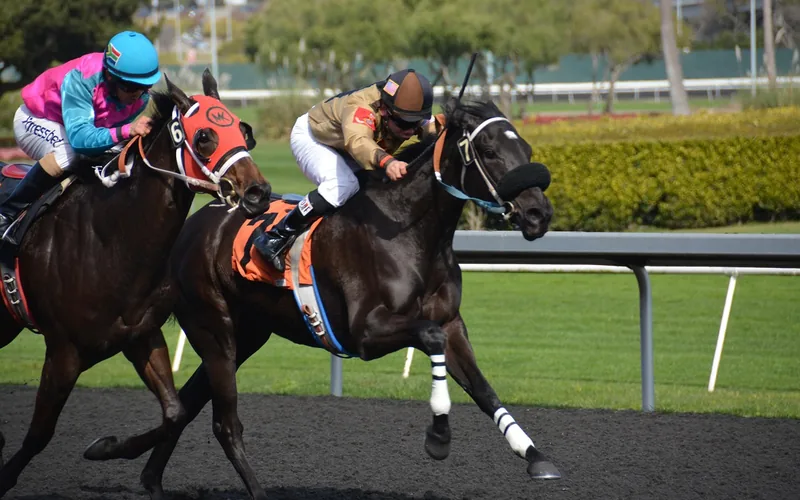
Thoroughbreds rounding the turn at an Australian racecourse priced in fixed-odds racing gambling markets

Australian & global racing

Racing is the spine of this book. Thoroughbred, harness and greyhound codes sit inside one interface, with metropolitan and provincial Australian meetings listed alongside selected overseas cards. Form guides, results and Same Race Multi pricing load on the same screens, which spares punters the switching between tabs mid-meeting.

Depth of that sort is what a NSW-licensed operator is expected to deliver, so we read it as a baseline rather than a differentiator. Pricing on provincial fields is visibly thinner than on Saturday metropolitan cards, which is ordinary for a book of this size. Live vision is absent, and a separate broadcast source remains necessary.

Floodlit stadium at night hosting the Australian football codes offered as sports betting markets

Broad sports book

The sports menu reaches across the domestic football codes and the main international circuits: AFL, NRL, rugby union, cricket, soccer, tennis, basketball, baseball, boxing, MMA, golf, gridiron, ice hockey and motor racing. Head-to-head, line, total and player markets appear on mainstream fixtures, while second-tier competitions are priced closer to event time.

Across the wider Australian gaming and wagering market this breadth has become standard, so the fairer test is how fast prices settle after team news. Esports is missing entirely, which will matter to a younger segment of punters. Minor overseas leagues are covered selectively rather than exhaustively.

Football resting on stadium turf where same game multi legs are combined for real money stakes

Same Game Multi builder

A multi builder combines player props, margins and match totals from a single fixture into one priced bet. Convenience here is genuine; so is the arithmetic behind it. Each extra leg multiplies the operator’s margin, and correlated legs are priced defensively, so the house edge compounds faster than the headline return implies.

Anyone staking real money on four or five legs is accepting a much lower strike rate in exchange for a longer price. Well executed as a tool, it still rewards the book more dependably than the customer. Read as entertainment pricing rather than an edge, the builder is best used sparingly.

Hands holding a smartphone open on a mobile bet slip used by aussie racing punters

Dedicated mobile apps

Native iOS and Android builds are distributed through the App Store and Google Play rather than wrapped around a mobile site. In use, the bet slip holds its contents between screens, multi calculations update without a reload, and My Bets keeps pending and settled wagers in one list. Push notifications carry results and account messages.

Battery and data consumption cannot be verified, since the operator publishes no figures and store ratings shift too often to quote. Built on Punterstech white-label technology, the apps nevertheless feel purpose-made. Tablet layouts simply reuse the phone views, so a larger screen buys nothing.

Greyhounds racing under lights on an Australian track where promotional pricing and odds protection apply

Promotional mechanics

Boosted racing prices, odds protection, money-back specials and daily rewards surface periodically, each constrained by Australian advertising rules that bar sign-up inducements and govern how any offer is promoted. Taglines warning about gambling harm now appear beside the prices, a 2023–24 requirement that replaced the softer slogan. Conditions sit behind every promotion and change without notice, so none are reproduced here.

No promotion substitutes for a staking plan, and a boosted price on a losing bet remains a losing bet. Casino promotions do not exist here, because the product carries no pokies, slots or table games, a limit the operator states plainly.

Empty racecourse rail at dusk reflecting deposit limits and breaks from online gambling

Integrated safety tools

Deposit limits, take-a-break suspensions and account deactivation are built into the account area rather than buried in a help article. Registering with BetStop excludes a person from every licensed operator in the country at once, while activity statements set out deposits, turnover and net result over a chosen period.

Reading those statements monthly is the most useful habit available to anyone whose gambling has drifted, because recall consistently understates losses. Such controls are mandated rather than voluntary, so their presence is a compliance floor rather than a courtesy. Session-time prompts are not published at all, which is a modest gap beside the larger books.

Markets & Bet Types

How Deep Do the Cash Cage Markets Actually Go?

Depth is easy to claim and awkward to verify. We looked past the list of codes to how many meetings and fixtures carry a full card of markets, how early those markets open, and how abruptly they are pulled.

A feature list is not depth. Almost every Australian wagering brand can name the same codes and the same competitions, because the underlying data feeds are shared widely across the industry. The useful question is narrower: on a midweek provincial card, does every race carry win, place, exotics and a Same Race Multi, or is the full treatment reserved for the metropolitan feature? Counting verticals rewards marketing departments. Markets per event, opened early and held open, rewards the punter trying to price one runner in one race. Breadth on the Punterstech platform is genuine; how evenly that breadth is spread across a seven-day calendar is where any book earns or loses its standing.

Timing matters as much as volume. Early markets let a bettor act on form, track conditions or team news before the weight of money arrives, while suspension that lands a beat too slowly shifts risk onto everyone still at the screen. For an operator licensed in New South Wales, domestic racing is the real test, since thoroughbred, harness and greyhound meetings run almost continuously and the liability sits with the book rather than with a distant pricing partner. Sport generates most of the online gambling conversation in this country, yet racing is where an NSW-licensed book is judged — its licence answers to Liquor & Gaming NSW, not to an offshore gaming authority. Cash Cage weights its coverage accordingly.

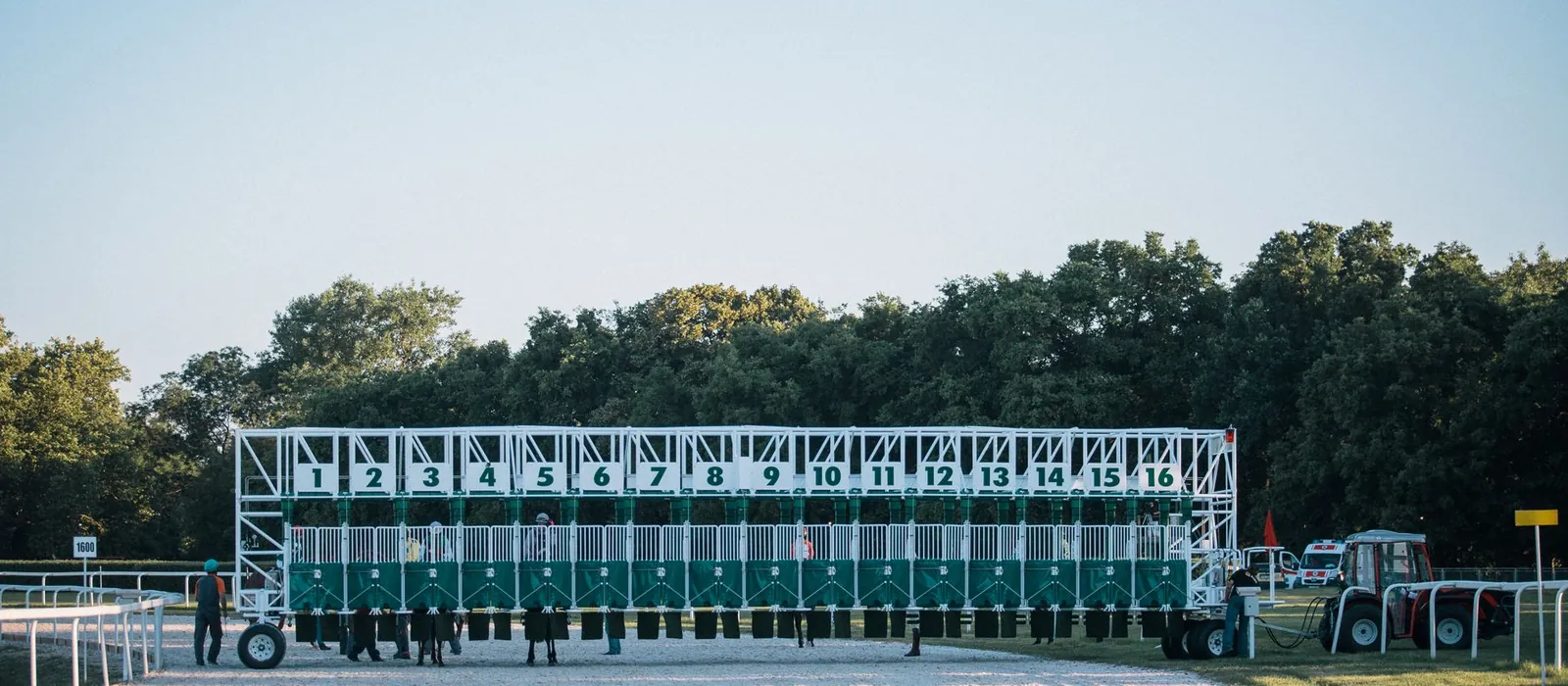
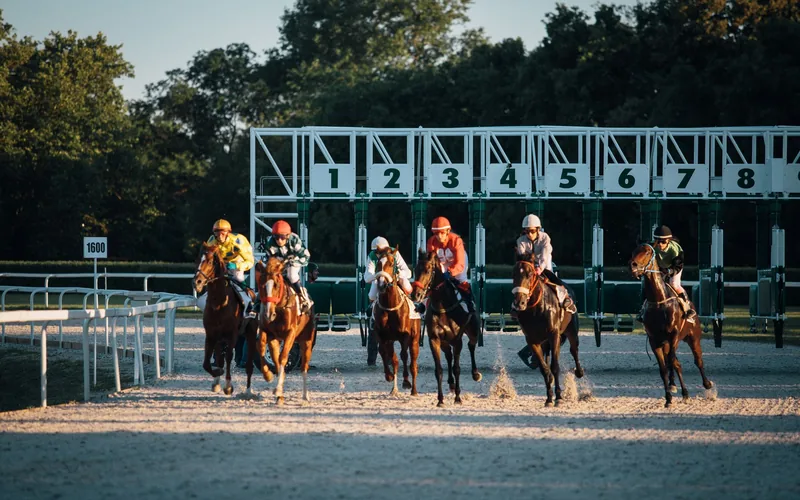
Numbered starting barriers at an Australian racecourse where fixed-odds racing gambling markets are priced
Every barrier in a domestic field is a line the book has to price, monitor and settle — which is where market depth is won or lost.
VerticalCoverageOur read
Thoroughbred racing Metropolitan and provincial Australian meetings, form guides, results, Same Race Multi The spine of the book for an NSW-licensed operator, and the vertical where the pricing feels most considered.
Harness & greyhounds Domestic harness and greyhound meetings All three codes sit in one interface, so a full night of racing stays on a single screen.
AFL & NRL Head-to-head, line, totals, margins, player props, Same Game Multi Mainstream depth is competitive with the larger corporate books through the winter season.
Cricket, soccer, tennis, basketball Core match and tournament markets Solid on marquee fixtures, noticeably thinner once you move to lower tiers and minor tours.
Combat, golf, motorsport, US sports Boxing, MMA, golf, gridiron, ice hockey, baseball, motor racing Present but event-driven: depth arrives with the fixture and disappears with it.
Esports Not offered A real gap for esports bettors, who will need a second account somewhere else.
Online casino, pokies & live dealer Not offered Read this as compliance rather than a shortcoming. Real money interactive casino games — online pokies, slot machines, roulette, blackjack, baccarat and live dealer table games — cannot lawfully be supplied to people physically in Australia under the Interactive Gambling Act 2001. Any site pushing those products at Australians is therefore operating outside the law, with no local regulator standing behind the account.
Coverage summarised from the operator’s own published market listings and app descriptions. Market availability changes; verify the current book directly with the operator and the relevant regulator before opening any wagering account.

Bet types you actually get

Singles & each-way

The baseline product: one selection at a fixed price, settled when the event is final. Each-way splits a stake between the win and the place on a race, which softens variance without pretending to remove it. Unglamorous, and still the bulk of turnover on most accounts.

Same Game Multi

SGM combines several selections from a single fixture — head-to-head, line, total, a player prop — into one priced bet. Correlation between the legs is absorbed in that price, which is why the return sits below the product of the individual odds. Offered across AFL, NRL and the major ball sports.

Same Race Multi

SRM applies the same reasoning inside one race: nominate two or three runners to finish within stated placings and the legs are costed as a single wager. It is the signature instrument of Australian racing betting. Cash Cage carries SRM on metropolitan and provincial meetings rather than feature days alone.

Multis & futures

Traditional multis chain selections across different events, and every added leg lifts the price while raising the odds that one result ruins the ticket. Futures handle season-long questions such as premiership and championship winners. Those markets lock up a stake for months, which is a genuine cost worth weighing.

In-play — by telephone only

Live sports bets cannot be completed online in Australia. The Interactive Gambling Act 2001 allows in-play wagering only by telephone or in a retail venue, so an account holder wanting a bet after the first bounce has to ring through and talk to someone. Federal friction, identical at every licensed operator.

Promotional pricing

Racing boosts, odds protection and money-back specials surface periodically, constrained by Australian advertising rules that prohibit sign-up inducements. Conditions on turnover, eligible events and expiry usually apply, so an advertised price is rarely the complete picture. Treat the terms, not the headline, as the offer.

Market & Game Analysis

Online Casino Games & Wagering Verticals Explained

Readers routinely ask whether a licensed wagering account also opens the door to casino games. It does not, and the reason sits in Commonwealth statute rather than in commercial preference. What follows is a mechanics explainer written purely for context.

A review of an Australian bookmaker cannot avoid the subject of casino verticals, because that is where a large share of reader questions begin. People arrive after searching for online pokies, roulette or blackjack, having assumed that one account covers every form of wagering sold under a single brand in overseas markets. The assumption is understandable, and the answer is short: here the two categories sit on opposite sides of a federal line. The Interactive Gambling Act 2001 makes it unlawful to supply real money interactive casino games to people physically located in this country, while fixed-odds betting on sport and racing remains licensed, advertised and lawful. Everything in the comparison below follows from that single legislative split.

Each item in this section is educational analysis of how such products work, nothing more. It is not an offer, not a recommendation, and not a directory of places to play; no operator is named, no destination is linked, and nothing described here can be reached through this portal. We analyse the arithmetic because readers who understand house edge, volatility and session variance make better sense of why the regulatory treatment of online gambling differs so sharply between verticals. Where the discussion touches licensed land-based venues or foreign markets, that detail exists to explain the law rather than to point anyone towards a product. Cash Cage offers none of what follows.

Spinning slot machine reels and paylines on an online pokies screen in a gaming venue

01 Reels, randomness and return to player

Electronic slots, slot machines and pokies mechanics

Every digital slot resolves through a random number generator that fixes the outcome the instant a spin is requested. The reels are animation layered over a decision already taken, which is the clearest break from the mechanical slot machines that preceded them. Contemporary titles arrange symbols across fixed paylines, cluster zones or ways-to-win grids where matches count from the left without a declared line at all. Two figures describe the maths behind any of them. Return to player is a long-run average measured over millions of simulated rounds, not a promise about an afternoon, and hit frequency records how often a spin returns anything, including returns smaller than the stake. High-volatility slots pay rarely and unevenly; gentler designs pay often and thinly. Feature layers such as free spins, held symbols, cascading wins and the bonus-buy option, which charges a multiple of stake for immediate entry to a feature, compress variance into fewer and larger swings without moving the underlying average. Residents of Australia cannot lawfully be supplied these products for real money, because the Act classifies them as prohibited interactive gaming services. Venue machines are a separate question: physical pokies in clubs and hotels fall under state and territory licensing, with caps, cash limits and monitoring set jurisdiction by jurisdiction. That distinction between the online ban and the venue framework confuses readers more than any other point of Australian gambling law.

Roulette wheel and ball at rest on a dark casino table under studio lighting

02 Single zero against double zero

Roulette dynamics and the arithmetic of the zero

Roulette is the cleanest teaching example in the catalogue, because its edge is printed into the layout. A European wheel carries thirty-seven pockets, the numbers one to thirty-six plus a single zero, and pays thirty-five to one on a straight-up selection, leaving the house 2.70 per cent of turnover on almost every bet available. The American design adds a second zero, raising the pocket count to thirty-eight while the payouts stay exactly where they were, and the edge doubles to 5.26 per cent. Inside bets cover individual numbers, splits, streets and corners at longer prices and higher variance. Those on the outside, red or black, odd or even, columns and dozens, settle frequently and pay short, which feels steadier without altering the proportion retained. That proportion is the whole point of the exercise. Progression systems, such as doubling the stake after each loss, reshape a losing run rather than erase it, and table maximums end the sequence before it can recover anything. Wheels also carry no memory. A pocket absent for two hundred spins is no likelier on the next, and the conviction that a number has become due is the gambler’s fallacy in costume. Neither wheel may be offered online to people in this country, whatever the arithmetic says.

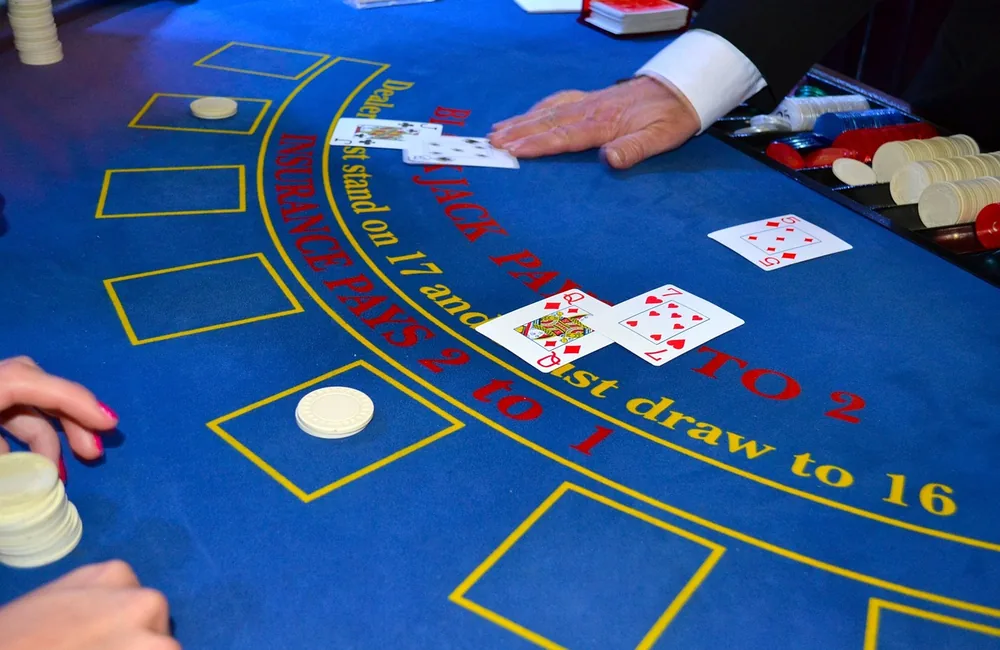
Playing cards and chips dealt on dark felt for blackjack and baccarat card games

03 Strategy charts, dealer rules and commission

Card games under the microscope: blackjack and baccarat

Card games occupy the low-edge end of the casino spectrum, at least on paper. Blackjack rewards decisions: basic strategy is a solved chart prescribing hit, stand, double or split for every combination of player total and dealer up-card, and someone following it faithfully concedes only a fraction of a per cent across a long sample. House rules move that number far more than instinct ever will. A dealer standing on all seventeens is better for the player than one hitting a soft seventeen, a hole-card peek changes the value of doubling, and a table paying six to five rather than three to two on a natural quietly multiplies the edge several times over, which is why the payout line printed on the felt matters more than any system sold beside it. Baccarat strips out decisions almost completely. Third-card draws follow a fixed tableau, the banker hand wins marginally more often than the player hand, and the operator recovers that advantage through a commission on winning banker wagers. Both principal bets sit close to a coin flip once commission is counted, while the tie is priced far worse and attracts attention for precisely the wrong reason. Low theoretical margin should not be read as low exposure. Hands resolve in under a minute, so turnover accumulates rapidly however favourable the chart appears.

Dealer’s hands at a live dealer table games studio streamed to online casino players

04 Studios, cameras and settlement latency

Table games, live dealer studios and where the law lands

Live dealer products are broadcast operations before they are anything else. A studio seats a croupier at a physical wheel or shoe, trains several cameras on the action, and streams the feed to participants who stake through an overlay instead of on the cloth. Optical character recognition reads the tangible result, the pocket or the card rank, and settles wagers automatically, which is how one table serves thousands of simultaneous viewers. Side bets are stacked on top because they lift margin without lengthening the round. Game-show formats extend the logic further, swapping the classic table for a money wheel or a branded prize board with a presenter working to camera, and they are engineered for watchability rather than for any claim of better value. Latency is the recurring grievance. A betting window closes on studio time rather than on the viewer’s connection, and a feed that drops mid-round leaves the dispute to the operator’s own logs. Realism carries no legal weight in this jurisdiction, however convincing the production. A human dealing from a studio in Riga or Manila does not turn the product into retail play, since the bet is still accepted over an internet carriage service, so it remains a prohibited interactive casino game. Offshore sites pushing these table games at residents here are the usual subjects of ACMA blocking requests.

Tall stacks of casino chips on felt representing real money gambling stakes

05 Demo modes and coin economies

Real money stakes against play-for-fun gaming

Demo play and real money play are not one product wearing two labels. A free build can carry its own weightings, a seeded balance and a feature frequency bearing no fixed relationship to the paid version, and even where the maths is identical, anyone spinning a notional balance experiences variance without consequence. Long practice sessions therefore teach the wrong lesson, since an early run of wins is remembered as aptitude while an early run of losses is dismissed as rehearsal. Social casinos complicate the picture again. Token apps sell packs of coins that cannot be cashed out, which keeps them outside wagering legislation across most of the country while reproducing the pacing, sound design and near-miss feedback of the paid article almost exactly. The hazardous moment is the switch. Someone who has spent weeks inside a coin economy opens a stake-based account with expectations calibrated to a game that could never take anything from them, and that mismatch is among the better-documented pathways into loss chasing, where each attempt to recover a deficit enlarges it. Published research on gambling harm keeps returning to the same sequence of events. For readers in this market the point is largely academic in one respect only: the paid versions these apps imitate cannot be supplied here lawfully at all.

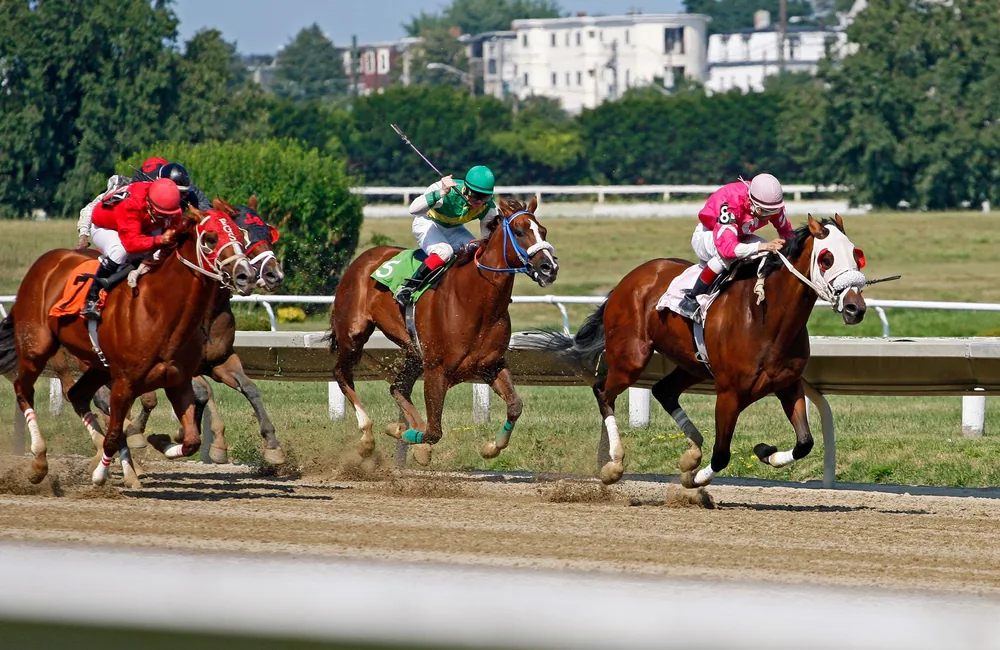
Thoroughbreds at the finish line of an Australian race meeting priced at fixed odds

06 Staking patterns and event duration

Fixed-odds wagering compared with the casino model

Setting the two verticals beside each other explains the regulatory split better than any statutory summary. A fixed-odds market resolves on a real event with a published field, form history and a price the punter may accept or decline; there are minutes between races and days between weekend fixtures. Information has genuine purchase in that setting, even though most punters overestimate how much of it they hold. Spin-based products invert all three variables, because the event is generated on demand, settles in seconds, admits no analysis that could shift it, and the next round starts the instant the last one clears. Bet frequency is the consequential difference. A racing account might record a dozen stakes across an afternoon, where an uninterrupted session on reels or a wheel records hundreds, each loss immediately available to be chased. Commonwealth policy was drawn along that boundary, which is also why in-play sports bets must be placed by telephone instead of completed online, stripping the tap-to-repeat rhythm out of live markets. Cash Cage sits wholly on the permitted side: licensed by Liquor & Gaming NSW, trading in thoroughbred, harness and greyhound racing alongside a broad sports book, and running no casino games of any description. Every Australian licensee works under the same constraint, so the absence is statutory rather than a gap in this operator’s catalogue.

Nothing on this page constitutes an offer. The analysis above exists to explain how these verticals operate and why Australian law treats them so differently. Cash Cage provides no casino games whatsoever. No part of cashcageau.com gives access to real money online casino games, online pokies, roulette or live dealer tables.

Mobile Engineering

The Cash Cage Mobile Application Experience

Most wagering now happens on a phone, which makes the app the product. We assessed how the Cash Cage builds for iOS and Android behave on race day, and where their limits sit under Australian law.

Person holding a smartphone at the track rail placing real money sports gambling bets
A punter checking markets at the track rail, where mobile gambling apps are tested.

Cash Cage distributes native builds through the App Store and Google Play rather than wrapping its website in a thin shell, and the difference shows in handling. Native code gets access to the operating system’s own scrolling, gesture and notification layers, so market lists move the way the rest of the handset moves. Push alerts arrive through platform channels instead of browser prompts. Store distribution also brings platform review and the advertising rules that apply to Australian wagering apps. The trade-off is slower release cycles than a web front end allows.

Three engineering problems decide whether a betting app is usable at a country meeting. Markets have to load on congested course wi-fi, which means lean payloads and cached form data rather than full page reloads. Data use matters too, because a punter on a capped plan will not tolerate an interface that streams decoration. Then there is the bet slip, where a mis-tap costs real money: stake fields need generous touch targets, multi legs need to be removable without ambiguity, and the confirmation step must state what is being staked before anything is committed. Cash Cage’s apps address all three adequately, if not remarkably.

Two absences deserve stating plainly. The apps carry no live racing or sports streaming, so anyone wanting pictures needs a separate broadcast subscription open alongside. More significantly, in-play betting cannot be completed inside the app at all: Australian online gambling rules require a live sports bet to be placed by telephone or in a venue, so the screen stops at pre-match markets. Neither app includes an online casino tab, because real money pokies, roulette and blackjack cannot lawfully be supplied to people in Australia. What remains is a focused wagering tool rather than a general gaming app.

Instant bet placement

The bet slip is the one screen that must never be ambiguous. Selections drop in from market lists without a page change, multi legs recalculate as they are added or removed, and a projected return sits next to the stake field before submission. Confirmation states are explicit: the app reports acceptance, rejection or a price change rather than leaving a spinner on screen. Settled and pending wagers then move into the account history, which matters when several multis run across a Saturday card.

Account security

Device-level authentication — a passcode, fingerprint or face check — guards the session, and the app signs a dormant session out rather than leaving a funded balance exposed on an unlocked handset. Withdrawals route only to verified payment details held on the account, which is the control that frustrates users most and protects them most. Identity and transaction monitoring under AML/CTF law continues in the background, so a request for documents can interrupt a withdrawal at any point in the relationship, not only at sign-up.

Live listings & results

Race and match listings update through the day with scratchings, jump times and starting fields, which is the minimum a racing-led book has to deliver. My Bets separates live wagers from settled ones and shows the leg-by-leg state of a Same Race Multi. Published results and settlement notes arrive without a manual refresh, though gambling customers used to vision will notice that numbers are all they get here. How far back the in-app results archive reaches is not documented, so deeper form study still means looking elsewhere.

Account & Money

Signing Up, Verification and Getting Paid

Most disputes about a wagering account have nothing to do with prices. They begin at sign-up, during identity checks, or at the moment a withdrawal is requested — so this is where we looked hardest.

Debit card and smartphone on a desk during real money Australian wagering account verification
Debit cards, bank transfer and PayID carry most deposits, because credit products are banned outright.

Read any complaint thread about Australian online gambling accounts and a pattern appears quickly. The grievance is rarely the price of a market; it is a document that was rejected, a name that did not match, or a payment that sat in limbo over a weekend. Verification and withdrawal timing generate far more frustration than odds ever do, partly because both sit outside the operator’s full control. Banks, identity databases and compliance teams all have a say. Cash Cage sits inside the same framework as every other licensed Australian bookmaker, which means the account experience is shaped as much by statute as by product design.

Three legal layers create that friction. AML/CTF obligations require an operator to establish who holds the account before real money moves through it; BetStop checks oblige the bookmaker to screen customers against the national self-exclusion register; and the 2023–24 reforms removed credit cards, credit-related products and digital currency from online wagering altogether. None of this is discretionary, and none of it can be waived for a persuasive customer. Cash Cage publishes no guaranteed payout window, no stated clearance times and no staffed support hours, so we describe the mechanics of each stage below rather than quote speeds we cannot stand behind.

Registration

Opening an account begins with the standard identity set: full name, date of birth, residential address and a declaration that the applicant is 18 or over. Australian licensing conditions also require operators to offer limit setting at the point of registration, so a deposit limit can be nominated before the first dollar arrives rather than after a bad week. We regard that ordering as the single most useful control on any gambling account. Choosing a figure while calm is easier than choosing one mid-session, and the limit remains in force until the holder actively changes it.

Identity verification (KYC)

Verification runs electronically first, matching the name, address and date of birth supplied against reference databases. When that check clears, the account becomes usable without further paperwork; when it fails — a recent move, a hyphenated surname, an address recorded differently on the electoral roll — the operator asks for a driver licence or passport instead. It is worth being blunt about the reason. Identity verification on an Australian wagering account is a legal obligation under AML/CTF law, not an operator preference or a stalling tactic, and no licensed bookmaker may skip it. Submitting clear, current documents at the first request is the quickest route through this stage.

Deposits

Funding options are narrower here than in many overseas markets, and deliberately so. Credit cards, credit-related products and digital currency are banned for online wagering in Australia, which leaves debit cards, bank transfer and PayID as the realistic choices. The prohibition exists because borrowed money and gambling are a poor combination, and it binds every licensed operator rather than this one alone. Nothing in a licensed Australian wagering account funds casino play, because those games cannot lawfully be supplied to people in this country at all. Whatever limit was nominated at sign-up applies before the money moves, which is the point of setting one early.

Withdrawals

Payouts return to a verified account held in the account holder’s own name. That rule is not negotiable: third-party accounts, accounts in a partner’s name, and spellings that differ from the verified record are the usual reason a withdrawal stalls. Timing depends on two things the bookmaker only partly governs — whether KYC is fully complete, and how quickly the receiving bank settles the transfer. Cash Cage does not publish processing windows, so any figure quoted elsewhere is hearsay. The practical lesson is dull but effective: finish verification before the first real money payout is requested, and use one consistent bank account throughout.

Support

Written contact runs through [email protected], with live chat available inside the product for signed-in customers. Staffed hours are not published, and we were unable to establish whether cover extends overnight or across public holidays — a gap worth knowing about before a payment question turns urgent. Keep a record of ticket references and the dates documents were sent; a complaint escalated to Liquor & Gaming NSW is far easier to assess with a timeline attached. One point needs stating plainly. CashCageAU is an independent review portal with no access to anyone’s account, balance or verification file, and we cannot chase a payment or lift a limit on a reader’s behalf.

Closing an account

Deactivation sits in the account settings and can also be requested from support, which closes access and ends marketing contact. It is not the same as self-exclusion, and the distinction matters: a deactivated account can generally be reopened, whereas self-exclusion is built to be difficult to undo. BetStop is the national register behind that second option, covering every licensed Australian wagering operator at once rather than one brand at a time. Periods run from three months to lifetime, and joining costs nothing. For anyone closing an account because the spending has stopped feeling optional, the register is the more durable choice.

We could not independently verify withdrawal processing times or support hours: the operator publishes neither, and we hold no account. Anyone opening one should read the current terms, fee schedule and payment conditions published by the operator, together with the NSW gaming regulator’s own guidance.

Australian Regulatory Framework

Online Gambling Law in Australia (IGA 2001)

Australian online gambling law draws a hard line between wagering and casino play. This section sets out what the Commonwealth Interactive Gambling Act 2001 forbids, what it still permits, and where a licensed bookmaker such as Cash Cage sits inside that framework.

Stewards tower above an Australian racecourse where licensed real money racing and sports gambling is regulated
Stewards enforce the rules on track; the IGA 2001 and the ACMA set the boundaries online.

The Interactive Gambling Act 2001 is Commonwealth legislation, so it applies uniformly across every state and territory. Its central prohibition is a supply-side one: it is an offence to provide a real money interactive gambling service to a person physically present in Australia. Liability attaches to the operator rather than the punter, and the place of incorporation is irrelevant — if the customer is standing in Melbourne or Mount Isa, the prohibition bites. Amendments passed in 2017 closed the loophole that offshore brands had relied on, adding civil penalties and giving the regulator practical reach. Nothing in the Act makes it an offence for an individual to place a bet.

What the legislation classes as a prohibited interactive gambling service is quite specific. Online pokies and slot machines sit squarely inside the definition, as do online roulette, digital blackjack, baccarat and the streamed live dealer casino tables promoted by offshore studios. Instant-win products and most other real money casino games fall under the same heading, because the defining feature is a game of chance, or of mixed chance and skill, played for stakes through a carrier service. Lotteries, keno and wagering are carved out and handled under separate rules. The practical result is that no operator, Australian or foreign, may lawfully supply online card games or table games for money to residents here.

Permitted activity is narrower than many new account holders assume. Licensed fixed-odds betting on sport and racing remains lawful where the operator holds a licence from an Australian state or territory authority, and that is precisely the category Cash Cage occupies: Cash Cage Pty Ltd (ABN 98 670 704 506) is licensed by Liquor & Gaming NSW. Pre-match markets on AFL, NRL, cricket, soccer, tennis and the three racing codes may be priced, taken and settled online. In-play betting is the exception that surprises people, because a live sports bet cannot be completed through a website or an app and has to be placed by telephone.

Enforcement falls to the Australian Communications and Media Authority. The ACMA investigates complaints about offshore online casino sites, issues formal warnings, refers operators for civil penalty proceedings and asks internet service providers to block domains that keep supplying prohibited services into this country. Its published blocklist has grown steadily since the arrangement began, and blocked brands routinely resurface under fresh domains within weeks. For an Aussie player, the consequence of using one of those unlicensed casinos is a total absence of local protection: no Australian dispute path, no state regulator to escalate to, no BetStop coverage, and no assurance that a withdrawal request will ever be honoured.

A reform wave through 2023 and 2024 reshaped the compliance picture considerably. BetStop, the national self-exclusion register, went live in August 2023 and allows a person to bar themselves from every licensed Australian wagering operator at once, for a period running from three months to life. Credit cards, credit-related products and digital currency were then banned as funding methods for online wagering, closing the gap between betting accounts and the land-based venues where credit had long been off limits. Evidence-based harm taglines replaced the old “gamble responsibly” wording, while inducement advertising rules were tightened so sign-up offers can no longer be pushed at the general public.

Responsibility for all of this is split two ways. The Commonwealth legislates on interactive services through the IGA and the ACMA polices them, while licensing, advertising codes, responsible gambling conditions and land-based gaming machines remain matters for the states and territories. Because this licence is issued by Liquor & Gaming NSW, New South Wales conditions govern how the book is run, how complaints are dealt with and which account controls must be offered. Punters in Queensland or Western Australia deal with the same NSW-licensed operator but are additionally covered by their own jurisdiction’s code of practice. Anyone needing certainty about their own position should consult the legislation or the relevant regulator; CashCageAU publishes information and analysis, not legal advice.

That conclusion follows from the statute rather than from any commercial decision: Cash Cage runs no real money online casino for Australian residents and operates strictly as a licensed Australian wagering operator across regulated sports and racing markets.

Regulated wagering

Fixed-odds betting on sport and racing is the lawful side of the ledger. A licensee may price and settle pre-match markets online, accept multis and futures, and publish results, provided it holds a current state or territory licence and meets its advertising, AML/CTF and player-protection conditions. That permission defines the whole of the Cash Cage offering: thoroughbred, harness and greyhound racing alongside a mainstream sports book. It extends no further, and never to real money casino games.

In-play restrictions

Live sports betting is the strangest wrinkle in Australian online gambling law. Once an event is under way the wager cannot be finalised through a site or an app, so the customer must telephone the operator and complete the transaction by voice. Licensed bookmakers, Cash Cage among them, consequently route in-play business to a phone line instead of a live betting tab. The friction is real and it costs the product something, but it originates in federal legislation rather than in any operator’s design choices.

Prohibited interactive casino

Real money digital pokies, slots, roulette, blackjack, baccarat and streamed live dealer casino tables may not be supplied to people in Australia, and no state or territory authority can license them for online play. Sites offering those casino games to Australians are operating illegally, whatever overseas paperwork they display. The absence of a casino lobby at a licensed bookmaker is therefore a compliance marker rather than a gap in the product, and a sound first test when assessing any gambling site aimed at this market.

Objective Evaluation

Cash Cage Platform Appraisal: Pros & Cons

The following appraisal weighs Cash Cage as a regulated wagering product rather than a purchase recommendation. Strengths and limitations sit side by side, including the gaps that Australian gambling law imposes on every licensed operator.

Key strengths

  • Australian licensed and accountable. Cash Cage Pty Ltd holds a licence from Liquor & Gaming NSW, so complaints, advertising conduct and account practices answer to a domestic regulator rather than an offshore authority that has no reach into this country.
  • Deep domestic racing coverage. Thoroughbred, harness and greyhound meetings sit in one interface, alongside form guides, results and Same Race Multi pricing. For punters whose week revolves around metropolitan and provincial cards, that breadth is the clearest argument for the book.
  • Clean, modern interface. Pages load quickly on desktop and mobile, the bet slip stays legible, and moving between codes takes few taps. Nothing in the build feels dated, which matters more than a feature count once a crowded Saturday card is underway.
  • Multi-building tools. Same Game Multi and Same Race Multi allow player props, margins and match totals to be combined into one bet, with the price recalculated as selections are added. Both are now expected of a serious wagering book.
  • Withdrawals without unnecessary hoops. Funds return to the verified account used for deposits, avoiding the repeated document requests that generate most complaints across real money wagering. Processing times are not published by the operator, so your own bank remains part of the equation.
  • Mandated safety integrations. Deposit limits, take-a-break controls, account deactivation and BetStop registration are built in rather than buried. These obligations are legal requirements under the Australian framework, yet presenting them in plain language still separates diligent operators from reluctant ones.

Considerations & limitations

  • No online casino games. There are no real money pokies, slots, roulette, blackjack, baccarat or live dealer tables, and there cannot be: the Interactive Gambling Act 2001 prohibits supplying such products to people in Australia. Read it as law, not oversight.
  • No esports markets. Betting on competitive video gaming is absent entirely, so anyone whose staking is organised around esports fixtures will need to hold a second account elsewhere. That gap reflects a product decision rather than any regulatory barrier.
  • No live racing or sports streaming. Races and matches cannot be watched inside the account or the apps, which pushes punters towards a broadcaster or a form service in a second window. Several larger Australian books now treat vision as a standard inclusion.
  • In-play betting by telephone only. Live bets placed after an event starts must go through a phone call, because Commonwealth law blocks online completion. The restriction binds every licensed operator in the country, though it sits awkwardly beside an otherwise mobile-first design.
  • Mandatory identity verification friction. Accounts must be verified under anti-money-laundering obligations, and electronic checks fail often enough that a share of users will be asked to upload a driver licence or passport scan before a first withdrawal can clear.
  • Newer brand, shorter track record. The Cash Cage name dates only from the July 2025 rebrand of Razoo, licensed since October 2022, so trading history is thin. Running on the white-label Punterstech platform also limits how far the product can differentiate.

On balance, the platform suits Australian punters whose betting is racing-led: someone who follows metropolitan and provincial thoroughbred form through the week, dips into harness and greyhound cards, and wants Same Race Multi and Same Game Multi tooling without leaving a single interface. It will also appeal to those who place weight on a locally licensed operator, because a dispute with Cash Cage Pty Ltd can be escalated to Liquor & Gaming NSW. Mainstream football, cricket and tennis bettors are adequately served too, provided they do not expect in-play prices to be settled on screen rather than over a phone line during the match.

Others should look elsewhere. Esports bettors have nothing to work with here, and anyone who expects to watch the race they have backed will be frustrated by the missing streams. Those searching for online casino games — digital pokies, a roulette wheel or a live dealer studio played for real money — need to understand that no licensed Australian operator may legally supply them, and that offshore sites advertising such gaming offer no local consumer protection, no dispute pathway and no BetStop coverage. That is a boundary drawn by Commonwealth legislation rather than a shortcoming of this particular book, and it applies identically to every rival brand holding an Australian licence.

Player Safety

Safe & Responsible Gambling: Warnings, Limits and Help

Harm minimisation is the part of any wagering review that stays relevant longest. Below are the warnings worth reading before a first bet, the limit tools every licensed Australian operator must provide, and the free helplines that sit entirely outside the gambling industry.

Emptying Australian racecourse at sunset after a long day of racing and sports gambling
The end of a race day — the point at which a session is supposed to stop.

Treat gambling as an occasional entertainment expense and the arithmetic stays manageable. A stake belongs in the same budget line as a concert ticket or a night out, and the money is gone the instant it is placed. Difficulty begins when the activity is reframed as income, as an investment, or as a route back to money already lost. None of those three framings survives contact with the numbers. Someone who wagers to cover a bill is in a materially weaker position than someone who wagers for the interest of the contest, because the first has a figure to reach and will keep betting until it is reached or the account is empty.

House edge is structural rather than a stretch of bad luck. Fixed-odds markets are priced with a margin inside them, and the same principle governs every casino vertical: online pokies run on a programmed return that sits below total turnover, roulette pays short prices on a wheel that carries a zero, and a live dealer studio applies identical mathematics in front of a camera. Across enough bets that margin, not the result of any individual race, determines where a balance ends up. Our own position should be equally plain. CashCageAU earns nothing when a reader opens a wagering account, publishes no sign-up links and takes no commission, so there is no commercial reason for us to soften any of this.

Warnings you should read before gambling

  • The margin never switches off. Every market, every pokies reel and every card game is priced so that a share of turnover stays with the operator over time. Winning sessions certainly happen, but they are variance inside a system with a fixed long-run direction. Budget against the system rather than against your best night, and treat a winning run as a loan the margin will eventually call in.
  • Chasing a loss enlarges it. An urge to win back a deficit pushes stakes up and judgement down, which is the reverse of how a disciplined punter behaves. Where a session has gone badly, the useful response is closing the app and letting an existing deposit limit do the work tomorrow.
  • Borrowed money has no place here. Credit cards, credit-related products and digital currency were banned as funding methods for online wagering in Australia for precisely this reason, because debt-funded losses compound twice over. If a stake has to come from a loan, an overdraft or a mate, that is the signal to stop rather than a problem to solve.
  • Unlicensed offshore casinos protect nobody. Any site taking real money from Aussie residents for online pokies, roulette or live dealer tables is operating outside the Interactive Gambling Act 2001. That leaves no local regulator to complain to, no dispute path when a balance disappears and no guarantee a withdrawal will ever be paid.

Limits and control tools

ToolWhat it doesHow to use it
Deposit limit Caps how much can be transferred into the account per day, week or month, regardless of how much sits in a linked bank account. Set one during registration at a figure you could lose in full without consequence. Reductions apply immediately; increases take effect only after a cooling-off period.
Loss or spend limit Caps net losses or total turnover over a defined period instead of deposits alone. Worth setting once winnings are being recycled, because a balance that never leaves the account can conceal a great deal of real money churn.
Time and session limits Restricts how long an account can stay logged in during a day or a week, and prompts you once the clock expires. Pair it with reality-check reminders. A visible timer interrupts the long stretch of gaming in which decisions quietly get careless.
Take a break Suspends the account temporarily, from twenty-four hours up to several months. Apply it the moment an urge to chase appears, before the next deposit rather than after reviewing the damage. A break also removes promotional notifications for its duration.
Account deactivation Closes the wagering account and ends marketing contact from the operator. Request closure through account settings or by writing to operator support, then keep the written confirmation that it has been actioned.
BetStop National self-exclusion from every licensed Australian wagering operator at once, for a term of three months up to lifetime. Register free at betstop.gov.au. A registration cannot be lifted before the chosen term ends, which is the point of it.
Activity statements Set out deposits, withdrawals, turnover and net result for the period. Read one every month. Memory reliably understates losses, so the statement is the only honest record of what a year of betting has cost.
Control tools licensed operators are required to make available; naming and placement vary slightly between online gambling brands.

Free, confidential help

ServiceContact
Gambling Help — national helpline 1800 858 858 — 24/7, free and confidential
Gambling Help Online — chat and email counselling gamblinghelponline.org.au
BetStop — national self-exclusion register betstop.gov.au
Lifeline — crisis support 13 11 14
National Debt Helpline — free financial counselling 1800 007 007
Independent services with no connection to any bookmaker, casino operator or this portal.

None of the services above costs anything, none of them is recorded against your name with an operator, and no caller has to promise to quit gambling before ringing. Partners, parents and friends affected by someone else’s betting can use exactly the same lines, and financial counselling is available separately from counselling about the habit itself. Wagering in Australia is restricted to adults aged 18 and over.

Frequently Asked Questions

Cash Cage, Casino Law & Australian Regulation

Eight questions readers ask most often about the operator’s licence, which markets it may lawfully offer, why online casino games sit outside Australian law, and where this independent review portal stands.

Is Cash Cage a licensed and legal wagering operator in Australia?

Cash Cage is the trading name of Cash Cage Pty Ltd, ABN 98 670 704 506, a Sydney-based company licensed by Liquor & Gaming NSW to accept fixed-odds wagers on racing and sport. The brand was first licensed as Razoo in October 2022 and rebranded in July 2025, so the corporate history runs longer than the name suggests.

Holding a New South Wales licence places the business inside the Commonwealth framework built on the Interactive Gambling Act 2001, together with anti-money-laundering duties, advertising restrictions and the BetStop register. That framework authorises regulated Australian wagering only; it does not permit a real money online casino. Licence conditions are varied, surrendered and renewed from time to time, so verify current status directly with the operator and with the regulator rather than relying on any third-party page, including this one.

Can I play online casino games, pokies or roulette at Cash Cage?

No. Under the Interactive Gambling Act 2001 it is unlawful to supply real money online casino games to anyone physically in Australia, and the prohibition is specific: digital pokies and slots, online roulette, blackjack, baccarat and streamed live dealer tables all fall within it. Because this operator holds an Australian licence, it cannot offer those products, and neither can any other licensed domestic bookmaker.

What the platform does offer is fixed-odds betting on thoroughbred, harness and greyhound racing plus a broad sports book. Sites that openly advertise online pokies or casino table games to Australian residents are almost always offshore and operating outside the law; the Australian Communications and Media Authority investigates them and arranges ISP-level blocking. The absence of a casino lobby at a domestically licensed bookmaker is therefore a marker of compliance, not a missing feature.

What sports and racing markets does Cash Cage cover?

Three racing codes anchor the book — thoroughbred, harness and greyhound meetings, metropolitan and provincial, supported by form guides, results and Same Race Multi pricing. The sports menu spans AFL, NRL, rugby union, cricket, soccer, tennis, basketball, baseball, boxing, MMA, golf, gridiron, ice hockey and motor racing, with deeper head-to-head, line, total and player markets on the mainstream Australian codes and thinner, event-driven coverage on imported competitions.

Esports is absent, which is a real gap for younger punters who treat it as a core vertical rather than a novelty. There are no casino games of any description either: no slot machines, no card games, no roulette. Australian law reserves those formats for licensed land-based venues and prohibits their real money online equivalents. Live in-play sports betting also cannot be completed online, so that slice of the book depends on the telephone.

What payment methods are allowed for Australian online gambling accounts?

Credit cards, credit-related products including wallets funded by credit, and digital currency are all banned as funding methods for online gambling accounts in Australia under the 2023–24 reforms. Debit cards, bank transfer and PayID remain, each drawing on money the account holder already has rather than money they would have to borrow.

Withdrawals return to a verified instrument in the account holder’s own name, which satisfies anti-money-laundering obligations and incidentally slows the recycling of winnings. Because the ban applies across the licensed market, it is not a policy choice by any single brand; offshore casino sites that still accept credit cards or cryptocurrency for real money play are advertising their distance from Australian regulation rather than their convenience. Neither deposit minimums nor processing windows are published by the operator, and we have not independently timed payouts, so treat precise figures quoted elsewhere with caution.

How does identity verification (KYC) work?

Identity verification is a legal obligation rather than a discretionary check. Anti-money-laundering and counter-terrorism financing law requires licensed Australian bookmakers to establish who holds an account, normally by matching the name, date of birth and residential address given at sign-up against electronic data sources. When that match succeeds the process is invisible and resolves in seconds.

Where it fails — a recent move, a hyphenated surname, a middle name recorded inconsistently — the operator asks for a driver licence or passport, and the account may stay restricted until the document is accepted. Mismatched details, a nickname in place of a legal name and blurred photographs are the usual causes of delay. Verification friction remains the largest single source of complaints across the gaming and wagering sector, so the step is worth completing before a balance is at stake, not at the moment a withdrawal is requested.

What is BetStop and how does national self-exclusion work?

BetStop is the national self-exclusion register, live since August 2023 and free to use at betstop.gov.au. One registration bars the person from opening or using an account with every licensed Australian wagering operator, online and by telephone, instead of requiring a separate request brand by brand — the weakness of the arrangements it replaced. Terms run from three months to lifetime, and a lifetime registration cannot be reversed.

Registration also switches off marketing from licensed operators: no promotional email, no push notifications, no SMS alerts. Because the register reaches only licensed gambling businesses, it has no power over offshore sites that illegally push online pokies, roulette or live dealer products at Australians, which is an argument for avoiding them altogether rather than a shortcoming of the scheme. The register is administered independently of the operators it binds, Cash Cage included.

What limits can I set on a wagering account?

Deposit limits must be offered by licensed operators, and the sensible moment to set one is during registration, before any enthusiasm has accumulated. Accounts also typically support loss or spend caps, session and time limits, a take-a-break suspension running from a day to several months, and permanent deactivation through account settings or the support desk. Activity statements are the underused control: they set out deposits, turnover and net result in writing, and recollection reliably understates losses over a month of real money betting.

None of these tools alter the arithmetic of gambling, because the margin built into every price still applies, but they convert a loose intention into a boundary the system enforces. Free, confidential support is available around the clock on 1800 858 858, and Gambling Help counsellors deal with wagering, pokies and casino harm without judgement.

Is cashcageau.com affiliated with Cash Cage or Cash Cage Pty Ltd?

No. CashCageAU is a strictly independent, third-party informational and educational review portal. We are not owned, operated, sponsored or endorsed by Cash Cage, Cash Cage Pty Ltd or any other gambling operator, and no commercial relationship exists with the platform provider behind the product. The portal accepts no bets, processes no deposits, holds no funds, operates no casino games or pokies, and manages no player accounts. Nothing published here is an invitation to wager.

Our material is information and analysis — a reading of public disclosures, regulatory sources and the mechanics of Australian wagering law — and it is not legal, financial or betting advice; where a decision carries real consequences, consult a qualified professional. Wagering in Australia is lawful for adults 18+ only. Corrections, factual disputes and questions about this portal can be sent to [email protected].